
Food program nourishes a sense of empowerment for survivors of domestic violence
A food program at the Bay Area Women’s Center seeks to give power back to domestic violence survivors of all ages and genders.
This article is part of an ongoing #InspiringGenerosity series highlighting people, agencies, and programs the Bay Area Community Foundation supports.
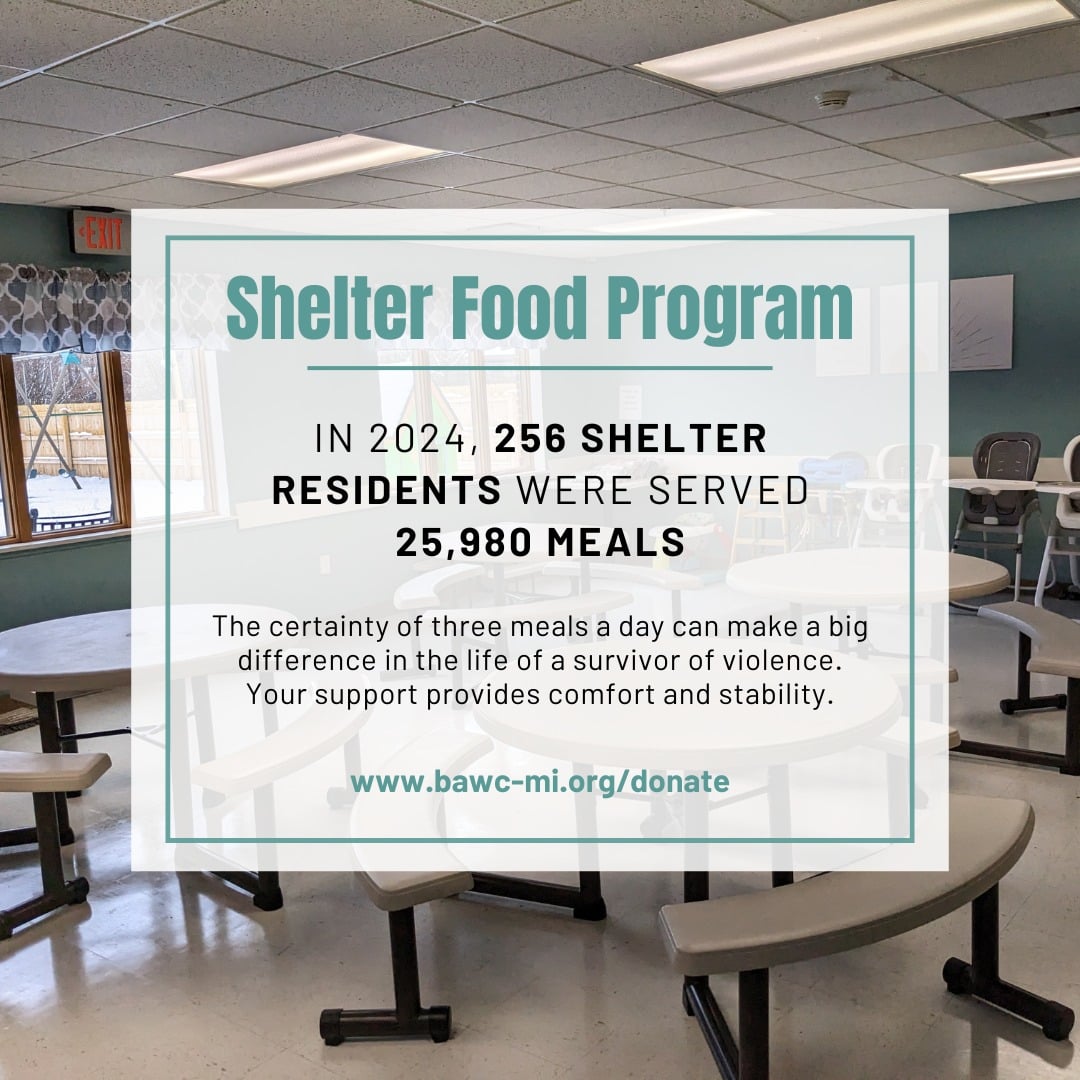
Physical abuse is just one component of domestic violence. Abusers also often try to establish control over someone. A food program at the Bay Area Women’s Center (BAWC) seeks to give power back to survivors of all ages and genders.
Between 20 and 30 adults and children each day benefit from a stocked pantry, refrigerator, and freezer at the BAWC, thanks to funding from the Bay Area Community Foundation’s Civic League and Community Initiative funds, as well as SC Johnson and Consumers Energy foundations.
The food is about much more than nourishment. It’s also set up in a way that gives survivors the ability to make choices and take control.
“We keep a stocked pantry and a stocked walk-in fridge and freezer with pantry staples so they can make the meals that their family enjoys,” says Lindsay Richardson, Director of Development for the Women’s Center.
The Women’s Center provides free-of-charge crisis intervention, advocacy, and safe haven to victims of domestic violence and sexual assault; and violence prevention education to the community.
Those services are available regardless of gender. Often, entire families come to the shelter.
“If they’re living in a home and there’s violence, and threats of violence in the home and a fear for their life, then the whole family can come to shelter,” Richardson says.
With upwards of 30 people in the shelter on any given day, Richardson says the center tries to provide for just about every food need. Some might be surprised at the choices families make, but the staff don’t judge.
“You’re in a traumatic situation. You’ve left your home, all your comforting things,” Richardson says.
“You want to eat something that makes you feel good and gives you comfort in the moment. Maybe for breakfast that’s a doughnut instead of oatmeal and an apple. And maybe you want to start your day with a Pepsi instead of a glass of milk. We want our survivors to be able to make those choices and the same with their kids.”
Richardson says a few years ago the BAWC received funding from the Child and Adult Care Food Program (CACFP), which typically supports schools and childcare centers. She says the funding helped provide food for several years, but didn’t offer the flexibility that trauma survivors need.
“The requirements were so stringent. You had to have something from every single food group available at every single meal, and then you had to make sure that every person that was eating the meal had one of every single one of those items on their plate,” she says. “It ultimately resulted in too much food waste and staff time to continue to be valuable.”
Many of us turn to comfort foods during times of trauma. In addition, young children often are picky eaters.
“They want to eat what they want at the time that they want it,” Richardson says.
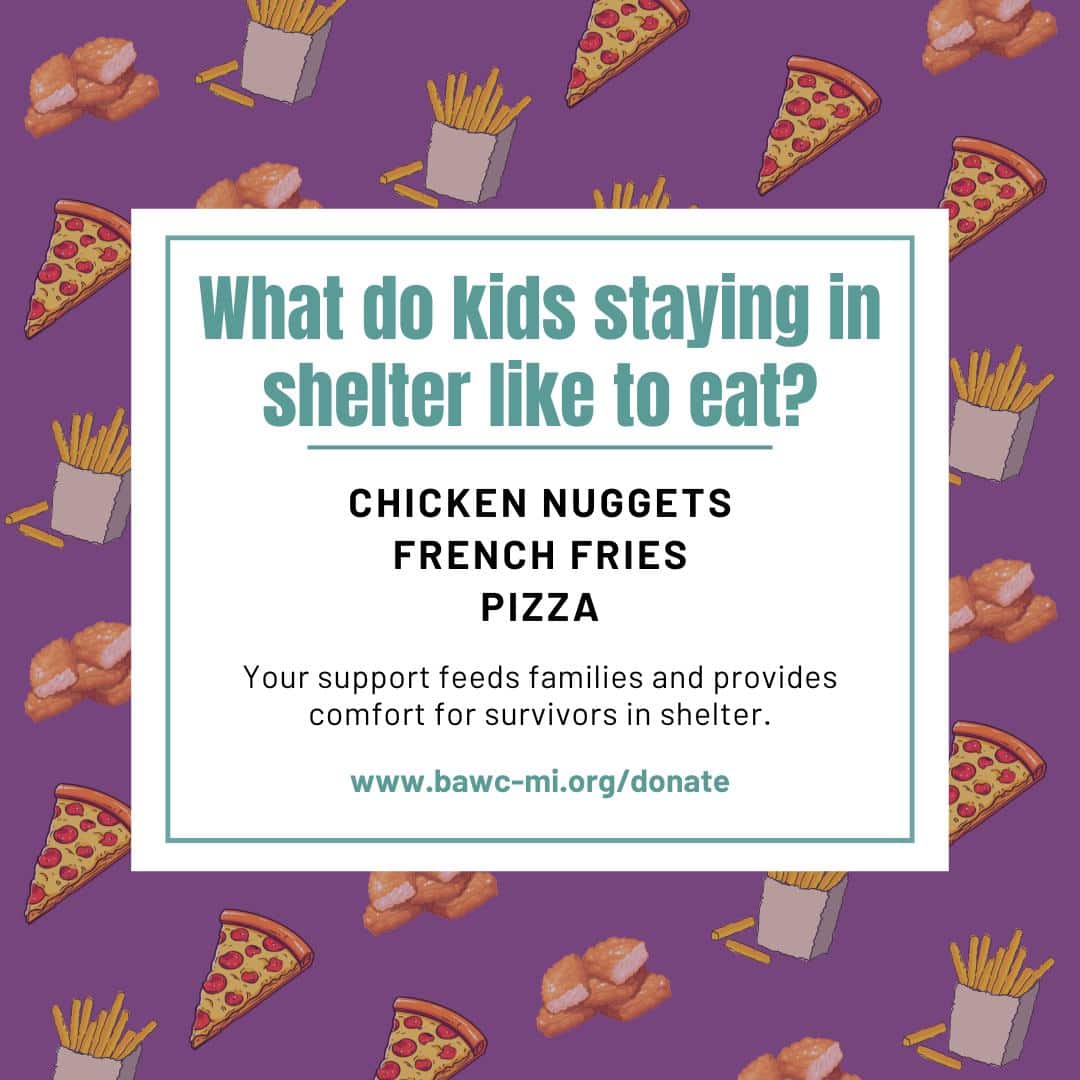
“It could be dinner at 2 p.m. and then lunch at midnight. And it’s chicken nuggets, pizza, and french fries, all the time. Maybe throw a hot dog in there to spice it up a little bit, but that’s what kids want. They want those familiar things and they want to eat them for every meal. They don’t care if you have a different menu rotating menu all week, they just want macaroni and cheese today, tomorrow, and every day that they’re here.”
In order to give families the freedom to make those choices and enjoy familiar, comforting foods, the BAWC turned to the community and local foundations to fund a flexible program to nourish survivors.
“We were able to kind of re-vamp how we did food and shelter, and that’s when we just put it all to the family.”
Families appreciate the empowerment that comes with responsibility.
“You’re in charge of every meal that you want to do. We’ll provide you with everything that you need, instead of cooking a communal meal at night that nobody’s going to eat anyway.”
Staff make sure there is plenty of food that meets traditional dietary guidelines. “We can also get any special request items or special dietary type items if they request it,” Richardson adds.
The new program helps survivors take back control in at least one area of their lives.
“It gives power back to survivors in a situation when the power had been taken from them,” Richardson says. “Maybe they didn’t have the opportunity to decide what foods their family was going to eat when they were in an abusive situation, and now they have the freedom to make that choice and the resources to make that choice.”
Taking food barriers away helps survivors start to believe they can reach goals and move forward.
“It becomes a snowball effect too. When you have access to food that makes you feel good, you start to feel better.”
Related Articles
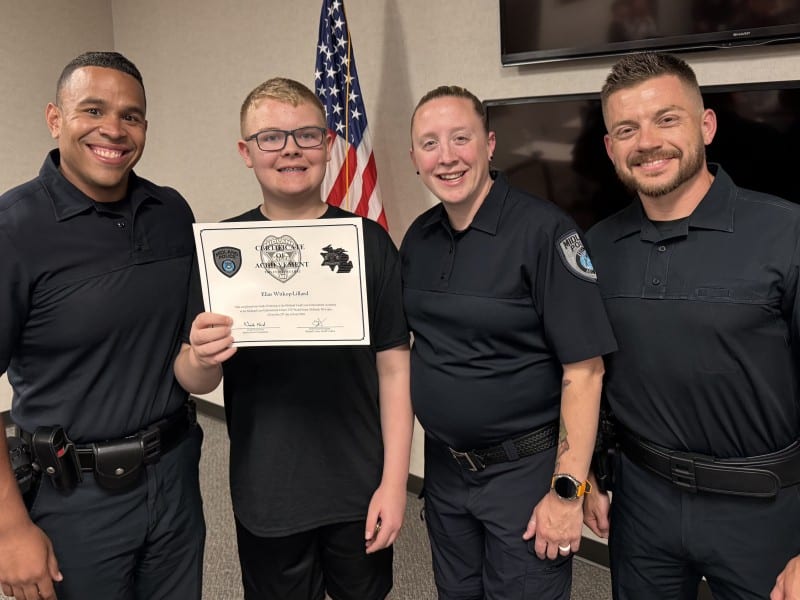
Beyond the uniform: How Midland Youth connect with First Responders
Midland’s schools and community events are creating opportunities for young people to build trust and familiarity with first responders long before an emergency brings them together.
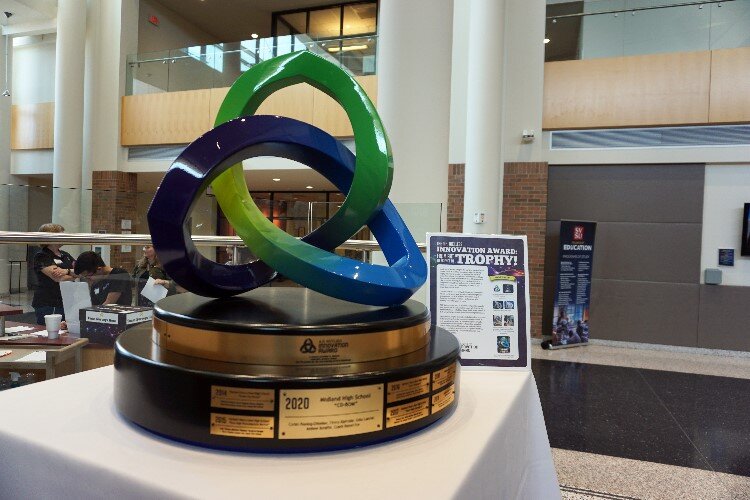
A.H. Nickless Innovation Award launches 14th annual competition with $77,500 in scholarships and grants available
High school students across Bay, Midland, Saginaw and Tuscola counties can now register for the 14th annual A.H. Nickless Innovation Award, competing for a share of up to $77,500 in scholarships and STEM education grants.
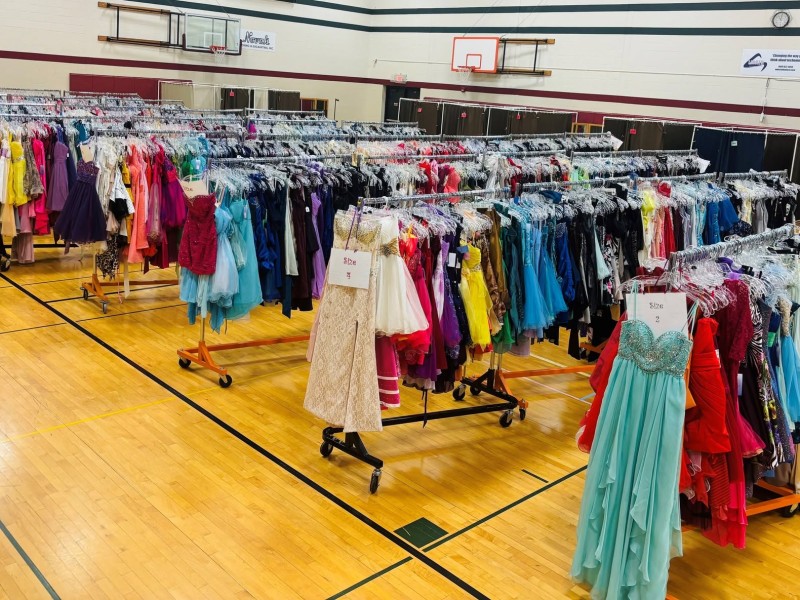
Dream Dress Express returns with free formalwear for homecoming season
Greater Midland North Family Center will host its annual Dream Dress Express Aug. 27-29, offering more than 3,000 free dresses, shoes and accessories to community members preparing for homecoming and other formal events. Appointments are required, but there are no income or residency requirements.


