
‘Combined energy turned into a good tornado’: The Bay Area Women’s Center’s 50-year evolution
A dozen founding mothers created the Bay Area Women’s Center in 1975. Today, the nonprofit organization serves women, children, men, transgender, and non-binary individuals facing domestic and sexual violence.
This article is part of an ongoing #UnitedForGood series highlighting people, agencies, and programs the United Way of Bay County supports.
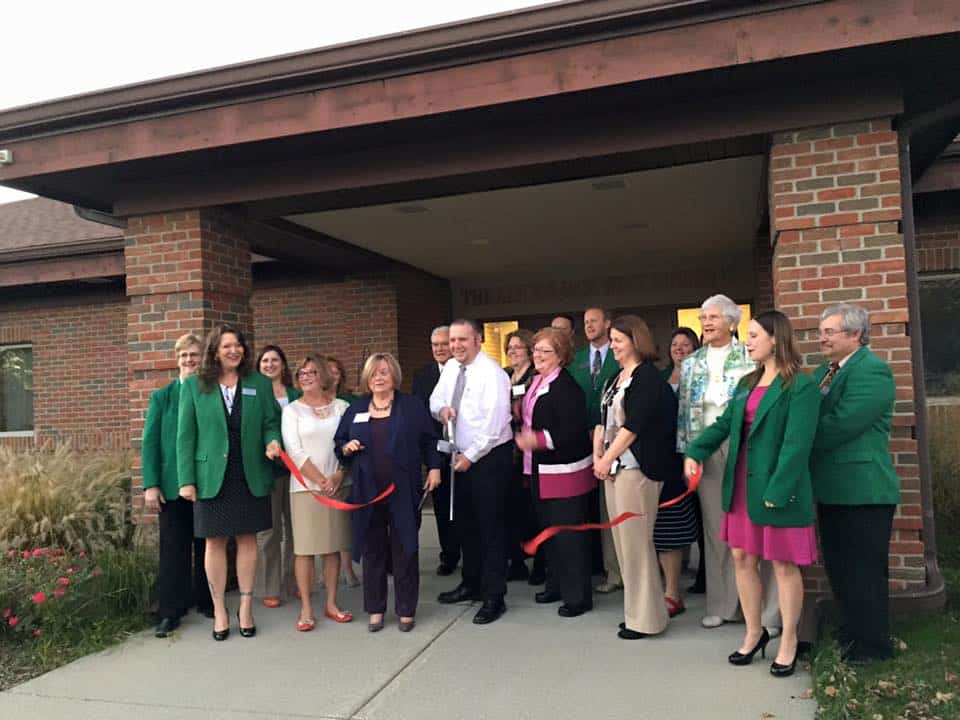
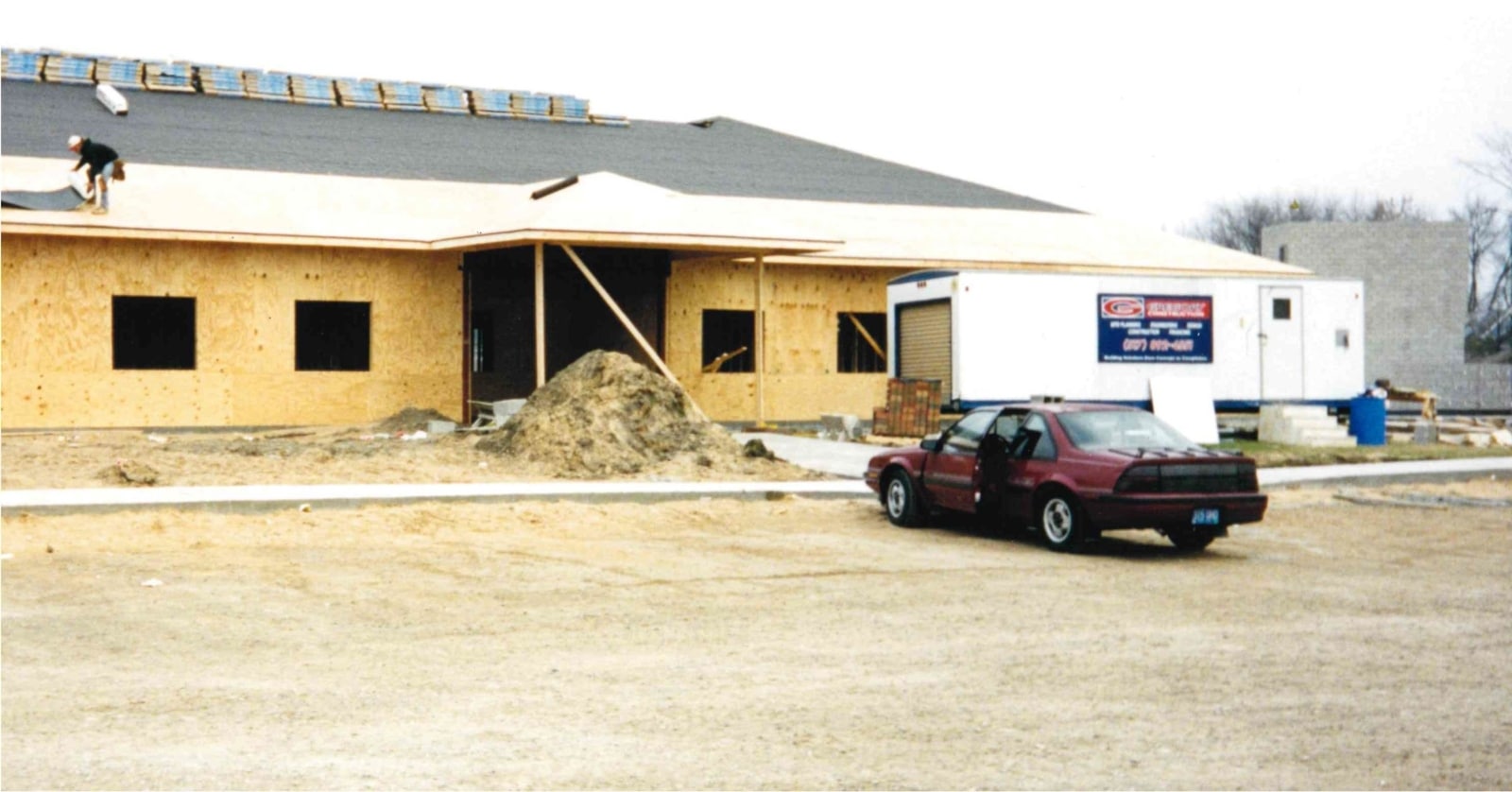
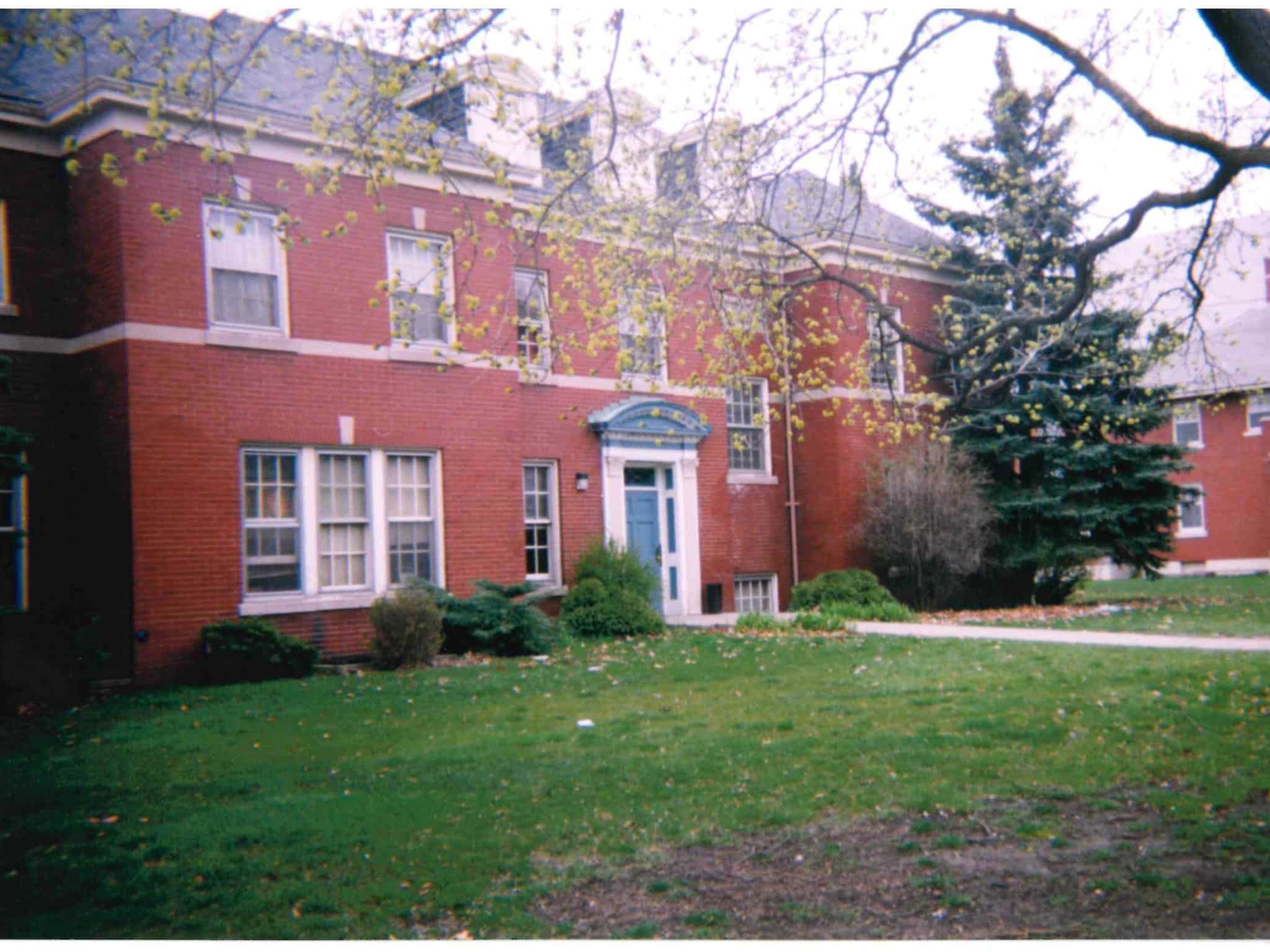
From its beginnings a half century ago inside a small butler’s pantry in a building shared with two other agencies, the Bay Area Women’s Center has grown. Today, it’s a nonprofit organization offering a suite of services from a free-standing building complete with offices and temporary living quarters.
The Women’s Center was founded 50 years ago, thanks to funding from several community entities, including the United Way of Bay County and the Bay County Board of Commissioners. Today, the Bay Area Women’s Center remains a United Way of Bay County partner agency.
Lindsay Richardson, Director of Development for the Women’s Center, says she’s proud of the agency’s progress.
“A lot of our evolution has just been adding more services. We’re providing services to the community, and then we hear a lot of survivors saying, ‘Oh, it would be really great if you did this.’ And then after hearing that for so long, (we say) ‘OK, let’s figure out how we can now add that to our list of services.’ ”
Responding to the community’s needs has been the heart of the Women’s Center since its beginning.
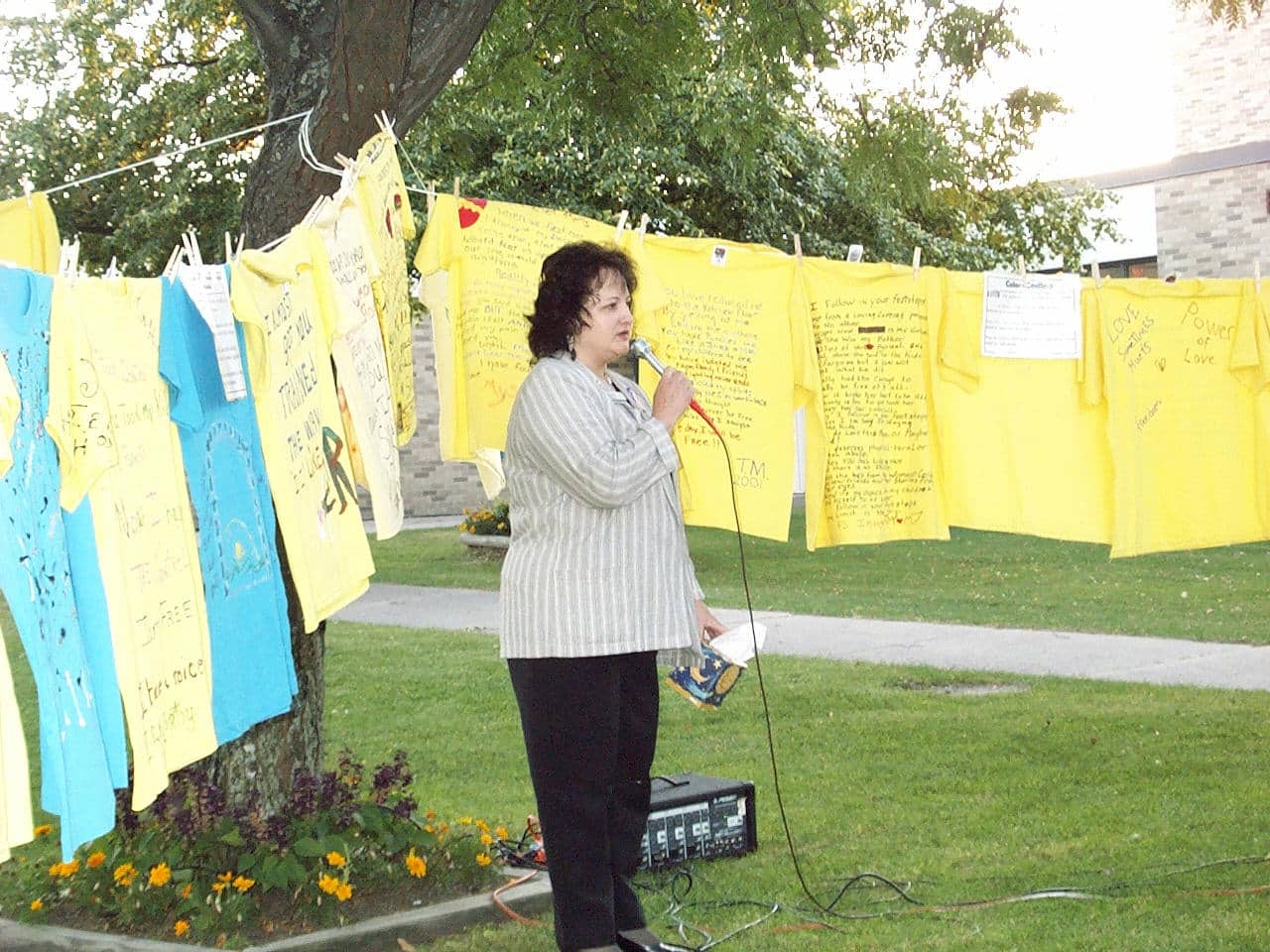
Before the Women’s Center formed, Richardson says volunteers answered calls to a crisis hotline known as “The Other Room.” Volunteers took calls related to mental health, domestic violence, and sexual assault.
An influx of calls from domestic violence survivors let the volunteers know that more was needed, including a safe shelter.
Rose Ammond, one of those hotline volunteers, remembers how quickly the momentum grew once they identified the need.
“It was like a combined energy turned into a good tornado,” Ammond says. “I don’t know what the seed of that idea was that we do it,” she says, but people were calling for help, “We know we needed (a center.)” Ammond adds domestic violence was clouded in shame. “People wouldn’t even admit it in their family.”
“It took a very brave woman to report it or to come and talk about it, because they always lived in fear. They were threatened, ‘If you tell anyone, I’m gonna kill you,’ and they would believe that.”
Karen Weber, a volunteer counselor at The Other Room and the first paid staff member at the then-Bay County Women’s Center, agrees.
Weber, the Women’s Center’s first Executive Director, says turning the attitude around took time, resources, and the hard work of a lot of people.
“The police department had a lot to do with the calls that we would get because that was the first agency I contacted was the police,” she says. “I needed them to be my best friend, which they were. They were all very, very accepting.”
The police also were crucial partners as the Women’s Center expanded to serve sexual assault survivors, Weber says.
The Other Room hotline didn’t take as many calls for rape and sexual assault as they did for domestic violence, but that doesn’t mean those things didn’t happen.
“A lot of women were afraid to report rape,” Weber says. They feared retaliation and going through the court system. “That they wouldn’t be believed.”
Oftentimes, women were blamed for an assault, Weber says. “It was a woman’s fault if she wore a sexy dress or whatever. The women were often blamed, and they still are.”
But Weber says revealing clothing doesn’t invite assault. “Clothing has nothing to do with it. It’s not a sexual desire, it’s not. It’s an act of aggression.”
Instead, both domestic violence and sexual violence stem from a need for power and control, Richardson says.
“It can all be boiled down to an abuser wanting power and control and whatever that looks like for them,” Weber says.
Over the years, the Bay Area Women’s Center has made moves to empower survivors and encourage people to report assaults.
For example, the Women’s Center now offers a state-of-the-art exam room that works with the SANE, or Sexual Assault Nurse Examiner program. The SANE program provides a space where advocates can support women. The exam room also is less clinical than a hospital room. Survivors are given a safe space to talk to police where they are less apt to feel intimidated.
Weber, Ammond, and all the volunteers who kicked off that initial effort couldn’t have foreseen how the organization would continue to grow and thrive all these years later.
Today, Richardson says the Women’s Center offers services to women, children, men, transgender, and non-binary individuals. Services range from helping survivors escaping from violence to supporting people through sexual assault investigations to offering counseling for years afterward.
The agency is also expanding its reach into new communities. Richardson says the Women’s Center recently opened a small office in Arenac County in Standish, equipped for sexual assault services and some therapy. It’s all about making services available to anyone who needs them.
“Whether it’s with our services or actual tangible resources or community referral, we try to make sure that we’re removing all barriers to service,” she says.
That includes providing transportation in rural areas where public transportation is limited or nonexistent. “We want to make sure they can get down here and get that support.”
Richardson says she doesn’t know how many people have passed through the Women’s Center over the years, but she knows the agency has changed lives.
The momentum that started with a group of 12 founding mothers in 1975 will continue until there is no more need.
Lindsay Richardson, Director of Development for the Bay Area Women’s Center
“A lot of our evolution has just been adding more services. We’re providing services to the community, and then we hear a lot of survivors saying, ‘Oh, it would be really great if you did this.’ And then after hearing that for so long, (we say) ‘OK, let’s figure out how we can now add that to our list of services.’
The 12 founding mothers include Ammond, Joanne Marquez, Kyle Riggs Tarrant, Rosella Collamer, Maureen Trombley, Mariah McClean, Frances Pitts, Pamela Sayne, Beverly Ann Smith, Sherrill Smith, Laurel Faughnan, and Jeanne Wells.
Celebrating the 50th Anniversary will be part of the 14th Annual Power of the Purse event. Attendees at this year’s fundraiser are encouraged to dress in glittery, gold, and shiny attire. Tickets are sold out for the Wed., Oct. 8 event.
For more information on the Bay Area Women’s Center, visit its Facebook page.
Related Articles

Give Local Bay 2026 is expected to be the biggest yet
Give Local Bay, a 24-hour fundraiser with a proven track record, takes place on May 5. This year, a record number of Bay and Arenac county agencies are part of the annual event.

Sanford Lake refill begins with head start, full return expected by mid-May
The return of Sanford Lake is no longer a distant milestone. With water already rising and a rebuilt dam in place, the long-awaited refill process is officially underway, setting the stage for a summer many residents have spent years hoping to see again.
Midland Mall sees 100 percent capacity, focuses on providing a common community space
Midland Mall has reached full occupancy, but its focus extends beyond retail. By curating a mix of tenants and experiences, the mall is positioning itself as a shared community space where people can gather, connect, and spend time, not just shop.


