
Voices of Black Midland announces oral history series
A new discussion series from the Voices of Black Midland project invites community members to listen, reflect, and talk through the lived experiences of Black residents in Midland County.
The Voices of Black Midland group, an initiative of the Midland Area Cultural Awareness Coalition through the Midland Area Community Foundation, is inviting residents to explore the stories and experiences of Black members of the community as a way to broaden perspectives and encourage honest conversations about race.
Through its growing archive of oral histories, the project aims to help people better understand Midland’s past and present while creating opportunities for dialogue across backgrounds.
This spring, Voices of Black Midland will host its second book-club-style discussion series, featuring four oral histories from the Voices of Black Midland archive. Each week, participants will listen to a story or read a transcript ahead of time and come prepared to discuss what they heard.
The oral histories capture a range of experiences, highlighting the good, the difficult, and the complicated realities of being a person of color in Midland County. Organizers say the discussion series is designed to create a space to dive into the complexity of our shared history.
“The Voices of Black Midland experience is a phenomenal tool to help break down barriers in Midland,” says one early participant in the program. “I learned so much about the rich and complicated history of Midland, and it changed the way I viewed the world. I also learned so much about myself and others, and how we can all take small steps to change each other for the better. This event helped me find trust and friendship in my community.”
The series will take place weekly on Wednesdays in April, beginning April 8 and continuing through April 29. Discussions will be hosted at the Midland Area Community Foundation, with doors opening at 7 p.m. and conversation running from 7:15 to 8:15 p.m.
There is no cost to attend, though registration is required. Those unable to attend can still explore the project online by listening to the full collection of oral histories online.
Author

Related Articles

Fans pack Midland Mall as Comic Con returns for another year
The Midland Mall was packed with costumes, collectibles and crowds as Comic Con brought a weekend of pop culture and creativity to the community.
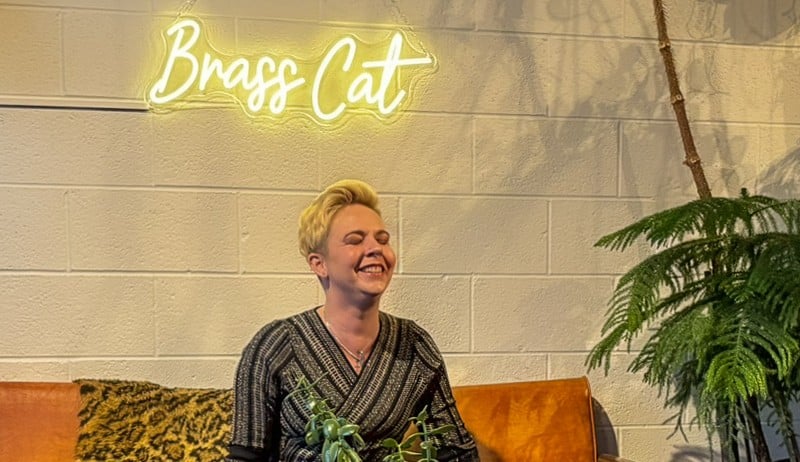
New piercer joins Brass Cat Tattoo in Midland
Maggie Davis, of Piercing by Maggie, brings expanded body art services to the Ashman Circle studio
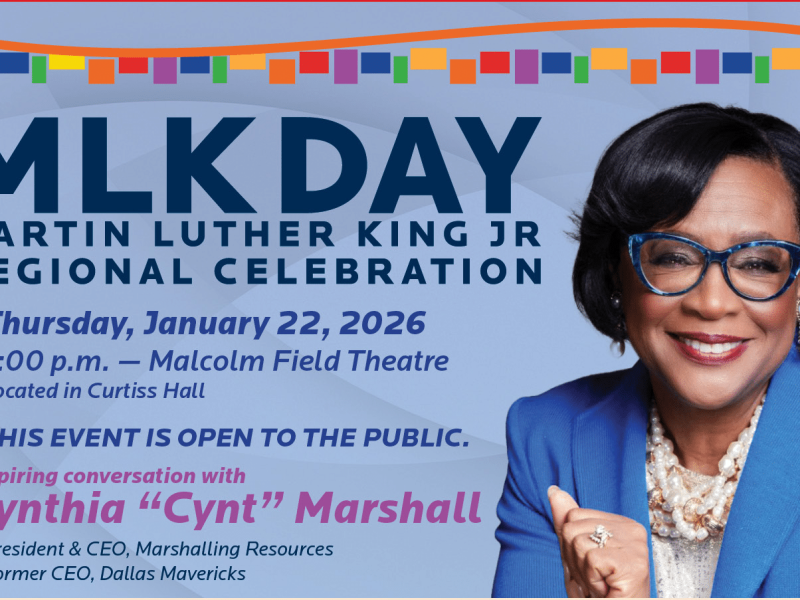
Regional celebration of MLK Jr.’s life includes scholarships, awards, and a guest speaker
The 2026 Martin Luther King Jr. Regional Celebration takes place at 7 p.m. Thurs., Jan. 22 at Saginaw Valley State University’s Curtiss Hall.


