
During pandemic, food banks and rescues innovate to feed more Michiganders than ever before
Despite the many challenges the pandemic has presented, food organizations have quickly restructured their operations to meet unprecedented demand.
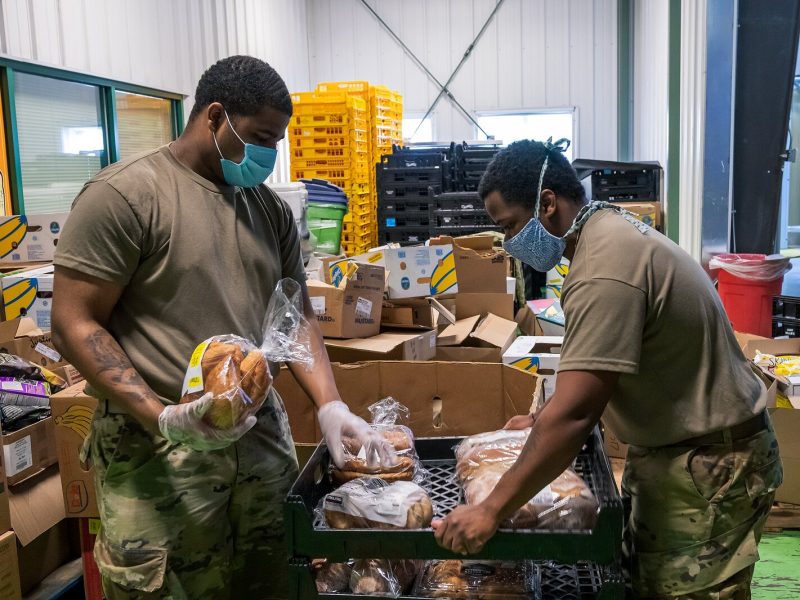
Despite the many challenges the pandemic has presented, food organizations have quickly restructured their operations to meet unprecedented demand.
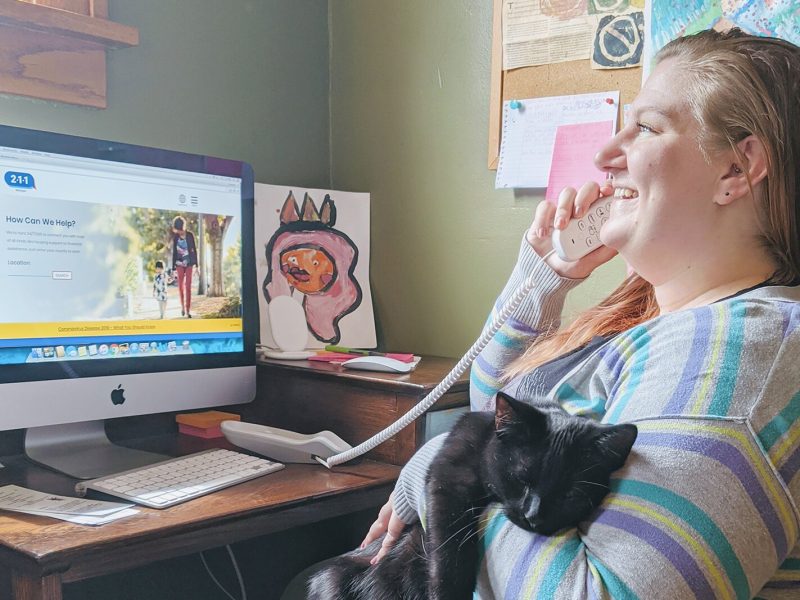
The COVID-19 pandemic has produced an alarming increase in mental health problems nationwide. But in Michigan, a newly established mental health “warmline” offers help from certified peer support specialists who can speak from their own experiences with mental health issues.
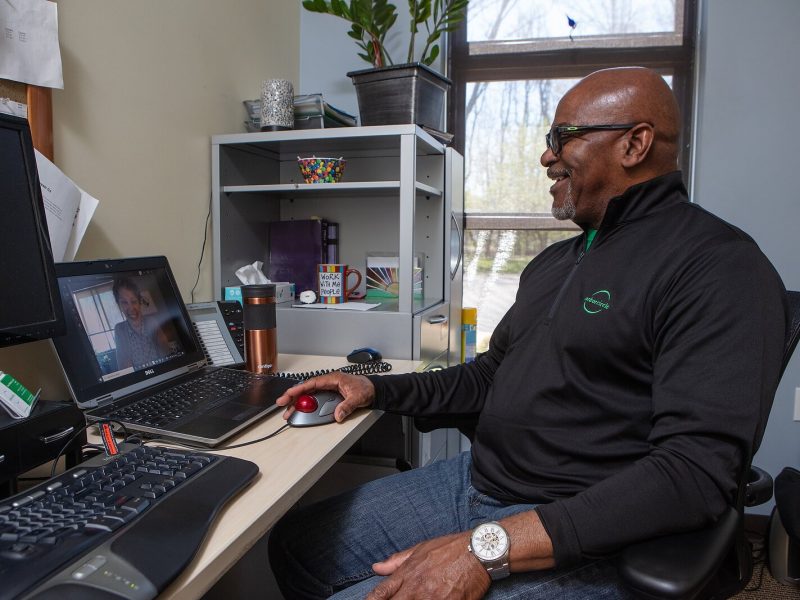
Health care visits conducted by phone or videoconference had slowly started to catch on in Michigan in recent years, but now they're the safest way for health care providers to meet with their patients during the COVID-19 pandemic.
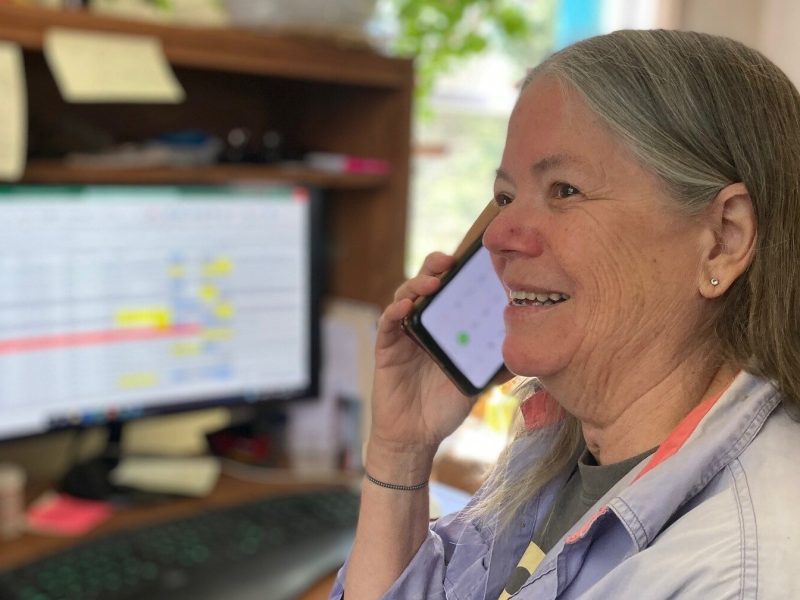
COVID-19 has exacerbated the high levels of isolation today's older adults experience. But many providers are working to ease that loneliness by making calls to check in on Michigan’s elders.
The Eat Well in a SNAP site aims to connect people with support and inspiration for seasonal meals and recipes, resources, and conversations about food.
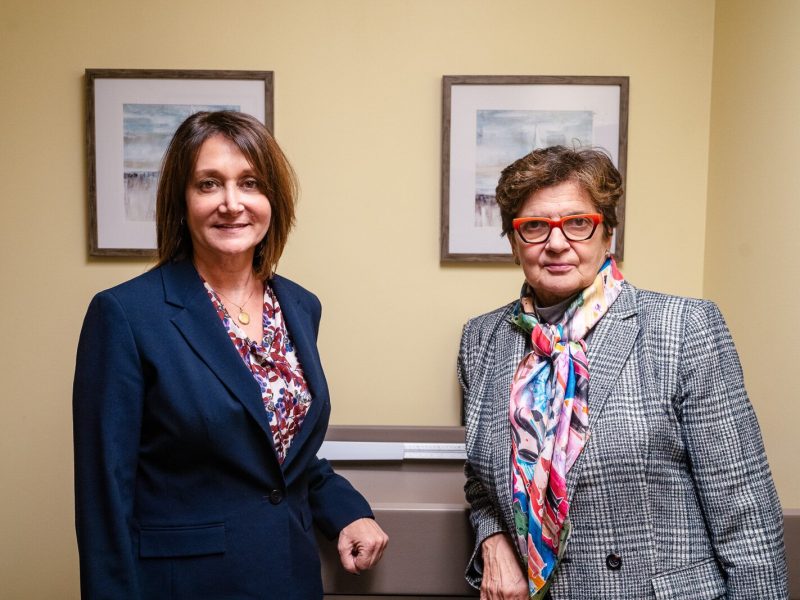
The model of integrated health is creating positive outcomes through a more holistic approach to care, but providers say our society is just beginning a larger, necessary paradigm shift.
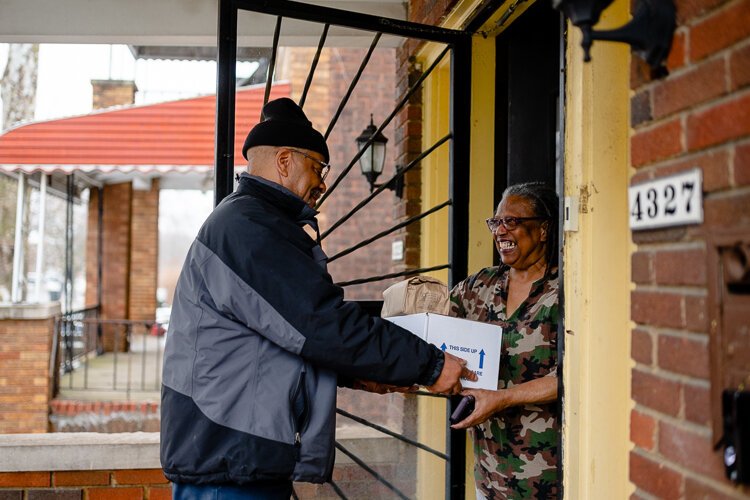
Three out of four people aged 50 and older want to remain at home. While it's the most cost-effective solution for elder care, it does still present some challenges. Here's how Michigan providers are addressing them.
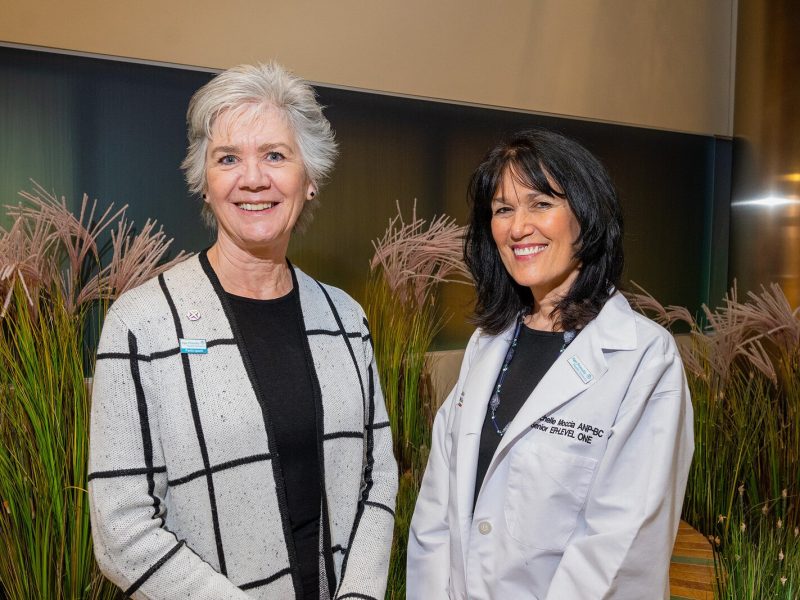
A Michigan hospital is one of five pioneers nationwide for the model, which aims to engage older adults directly in finding out what matters most to their health care.
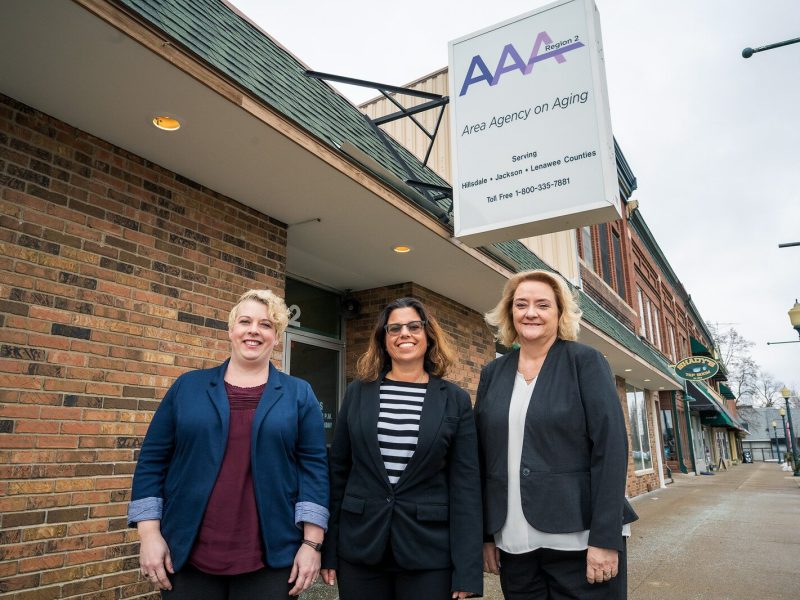
Michigan elders experiencing abuse often have comparatively few community resources to turn to for help. But the Safe Haven model offers them safe, temporary housing to escape and get back on their feet.
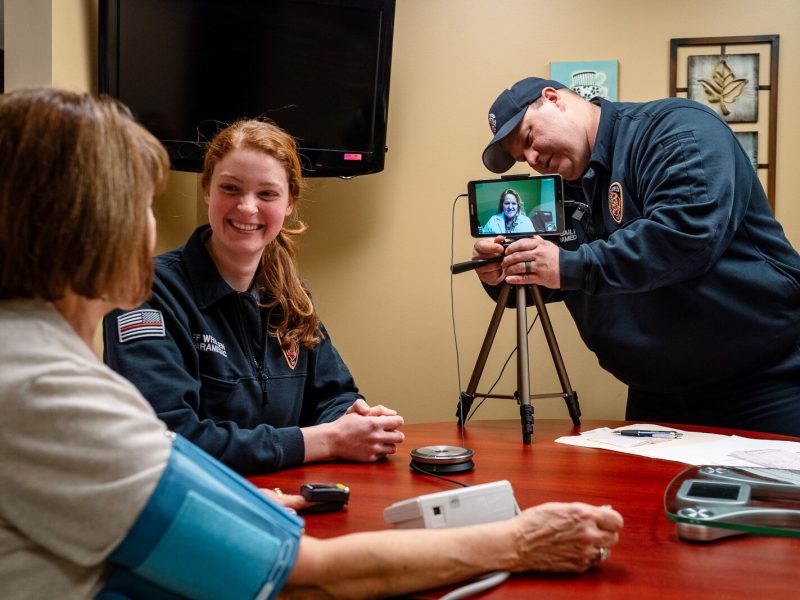
Through an increasingly popular new model called community integrated paramedicine, Michigan paramedics are using their downtime to proactively promote good health and nip emergency room trips in the bud.
Our Partners


Common Ground Is Brewing
Support local stories and receive our signature roast straight to your door when you join at the Standard level (or above).
Drink Better, Read Local
