
From Baton Rouge to Midland: A Story of roots, resilience, and sisterhood
La’Toya Anderson’s journey from Baton Rouge to Midland is rooted in family, creativity, and a desire to build community.
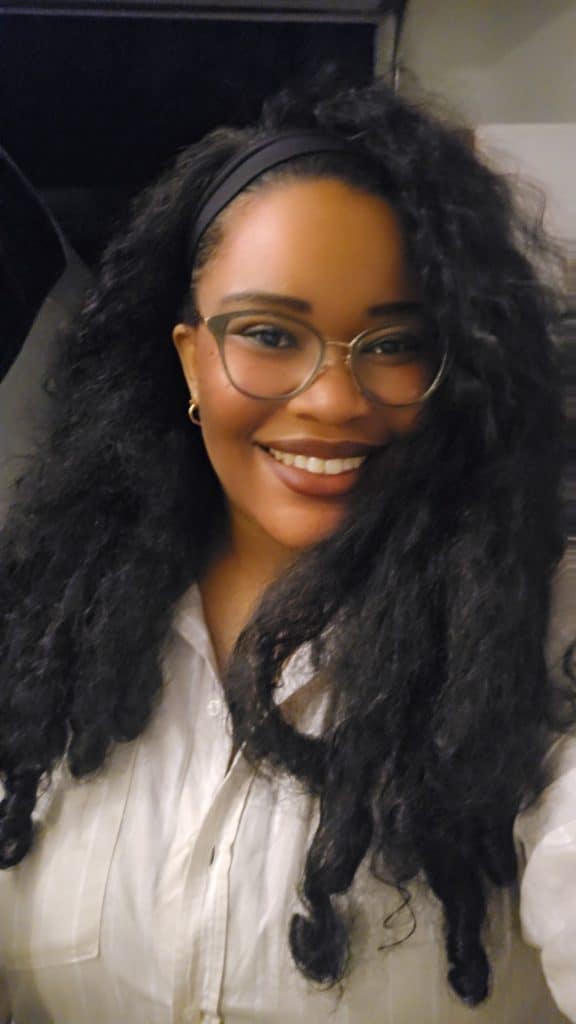
It is not lost on me that Black History Month often invites reflection from a distance. We read, we listen, we try to understand stories that are not our own. But sometimes those stories are unfolding right here, in the same grocery aisles, school hallways, and neighborhoods we move through every day. La’Toya Anderson’s story is one of those. A transplant from the Deep South to Mid-Michigan, she brings with her not just a different geography, but a different lens, one shaped by culture, motherhood, entrepreneurship, and faith in community.
La’Toya Anderson is 36 years old and moved to Midland from Baton Rouge, Louisiana. A married mother of two young girls and the owner of Eli Porter Co., a waist beading business she launched in 2018, Anderson is a creative spirit grounded in family and service. When she is not designing beads, she is reading, often horror novels, or spending time with her daughters. Her life is textured and full, anchored in the kind of everyday rituals that feel familiar, even if her journey is not.
Her introduction to Midland came during a family visit in August 2024. The impression was immediate and emotional. Anderson recalls thinking, “Oh my goodness, this place is beautiful.”
It was not the big things that struck her first, but the details. “The flowers along the streets were the first thing that caught my eye. I couldn’t believe so much whimsical beauty existed in the world.” For someone coming from a place rich in culture but different in landscape and pace, Midland felt almost storybook in its presentation.
That sense of beauty helped fuel a major decision. Not long after that visit, Anderson and her family made the 1,000 mile move north. It is the kind of leap that feels both bold and deeply human. Families move for opportunity, for peace, for possibility. And sometimes, they move because something simply feels right.
Once settled, Anderson quickly began building connections, especially for young girls who might need what she once needed. She founded Sisters Circle; a group designed specifically for African American middle school girls. The group creates “a consistent, safe, and supportive space for African American female middle school students to explore their identities, build cultural awareness, develop leadership skills, and form a lasting sisterhood.” It is mentorship rooted in belonging.
Though Sisters Circle operates independently, the girls have engaged with Voices of Black Midland. Voices of Black Midland works to elevate conversations around equity and representation in the region. Their values emphasize liberation for Black and Brown people and a commitment to challenging systems of anti-Blackness and white supremacist ideology. For Anderson’s students, exposure to that work helps widen their understanding of both history and possibility. Through community storytelling initiatives like the First Families series, young participants see living examples of resilience and leadership.
Anderson speaks about Sisters Circle with a humility that is striking. Rather than positioning herself as the sole guide, she points to the growth of the girls themselves. Student ambassadors, she says, have stepped into leadership roles with “so much knowledge and grace.” In a quiet reversal of expectations, she notes that the adult leadership team has learned just as much as the students this year.
Of course, any story of relocation carries complexity, and Anderson does not shy away from that. Her experiences in Midland have been largely positive, but not without challenge. In her family’s first few months, they encountered an incident involving racial slurs. It was painful and unexpected, especially given their assumption that moving north might mean leaving certain experiences behind. Yet what stayed with her most was not the harm itself, but the response that followed.
“The community stepped in and showed up big time,” she says. That collective reaction reshaped her understanding of Midland. “The people who love and lead are so much more abundant than those who hate.” In a world that often amplifies division, Anderson found reassurance in the quiet majority that chose compassion over silence.
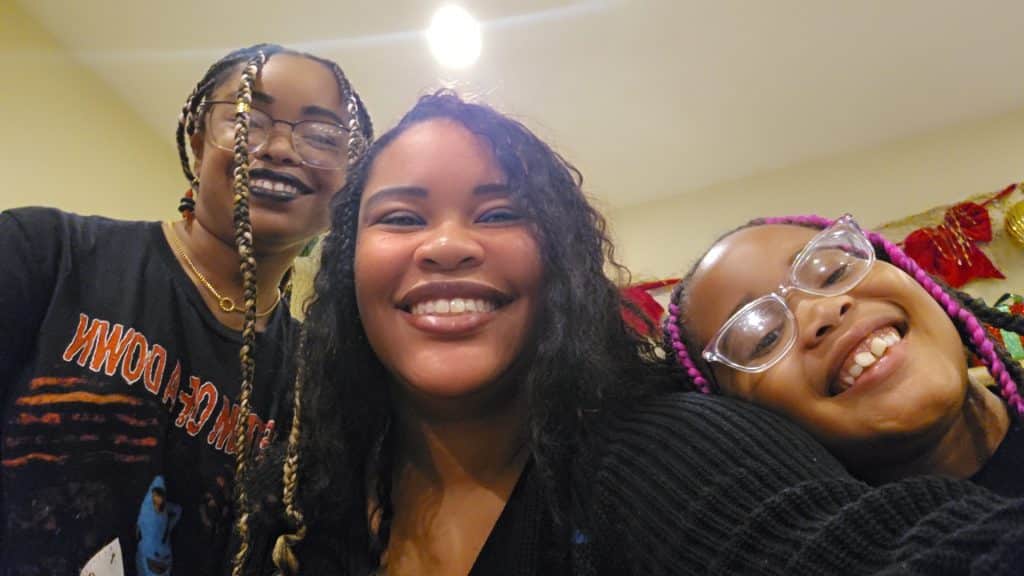
Still, some of the challenges she describes are less dramatic but no less real. They live in the everyday. She talks candidly about body autonomy and self-care, and the subtle cultural missteps that can accumulate over time. One example she offers is both simple and deeply personal. “I do not like the unwelcomed hair touches,” she explains. “It’s such a trivial thing, but it is culturally important to me.” It is a reminder that belonging is often measured not in grand gestures, but in small acts of respect.
Practical barriers exist too. Accessing culturally competent hair and skin care services has required travel to nearby cities like Saginaw. Yet even here, Anderson finds nuance. Some Midland business owners, she notes, are eager to learn and adapt. That openness creates room for growth and relationship building, something she clearly values.
When asked what the community can do better, Anderson’s answer is both direct and generous. She urges people to listen without becoming defensive. “When we speak or write about these things, we are not trying to cause conflict,” she says. Instead, she frames awareness as an invitation. Many inequities, she explains, remain invisible to those who have never had to think about them. “When you have choice, healthy choice and multiple choices, you are in a position of privilege.” Her tone is not accusatory, but reflective, inviting empathy rather than guilt.
What stands out most in Anderson’s reflections is not grievance, but gratitude. She speaks about Midland with an affection that feels earned, not naïve. “Out of all of the places I’ve lived, I think I love Midland the most,” she shares. The phrase she has come to cherish is one that the locals know well: that’s so Midland. For her, it signals something quietly beautiful, a shorthand for kindness in action.
Her hopes for the future are rooted in both realism and hope. She asks the community to keep pushing for positive change, guided by love, compassion, understanding, and listening. And like many mothers, her focus ultimately returns to children. She calls on residents to support local schools, recognizing that the next generation will carry Midland forward. “Our kids are what will continue to push Midland forward, they are our legacy.”
In a month dedicated to honoring Black history, Anderson’s story reminds us that history is not only something we study. It is something we witness in real time, in the courage to relocate, the decision to mentor, the willingness to speak honestly about differences while still choosing love. Her journey from Baton Rouge to Midland is not just about distance. It is about what it means to plant new roots and still bloom. And maybe that is the quiet invitation in her story. To notice the flowers lining the streets. To listen a little longer. To make space for stories that stretch our understanding of home.
Author

Related Articles
Voices of Black Midland announces oral history series
A new discussion series from the Voices of Black Midland project invites community members to listen, reflect, and talk through the lived experiences of Black residents in Midland County.
Build Like a Girl draws future tradeswomen from across Mid-Michigan
The sound of drills and laughter filled the Great Hall as students from across the Great Lakes Bay region got hands-on with the trades. What started with just eight girls has grown into a sold-out event helping build the area’s future workforce.

Adaptive curling is expanding access to recreation in Midland
On March 7, the Greater Midland Community Center, in partnership with the City of Midland Parks and Recreation, will host a free “Adaptive Learn to Curl” event at the Greater Midland Curling Center.