
General Housing Corp. has built a strong reputation – and 6,000 homes
Bay City modular home manufacturer helping families build their dream homes since 1982.
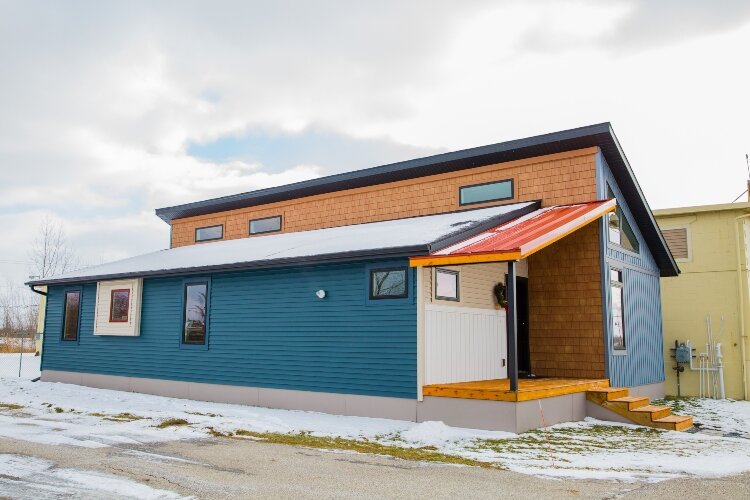
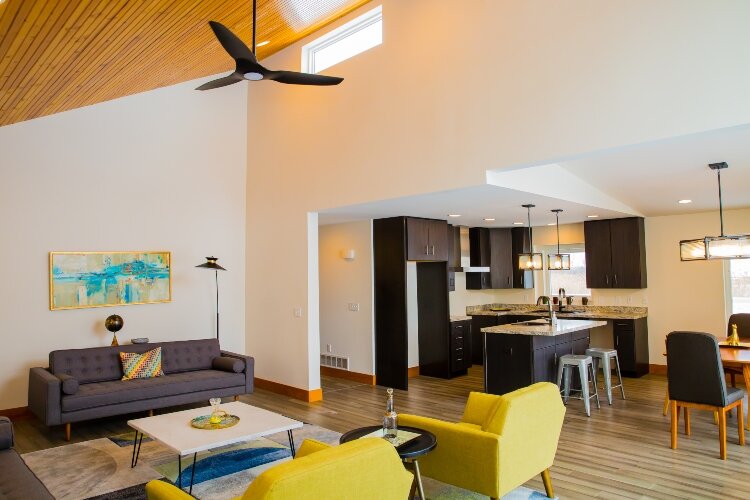
General Housing Corporation jokes that it’s made up of homebuilders who knew enough to come in from the rain.
But that’s selling themselves short.
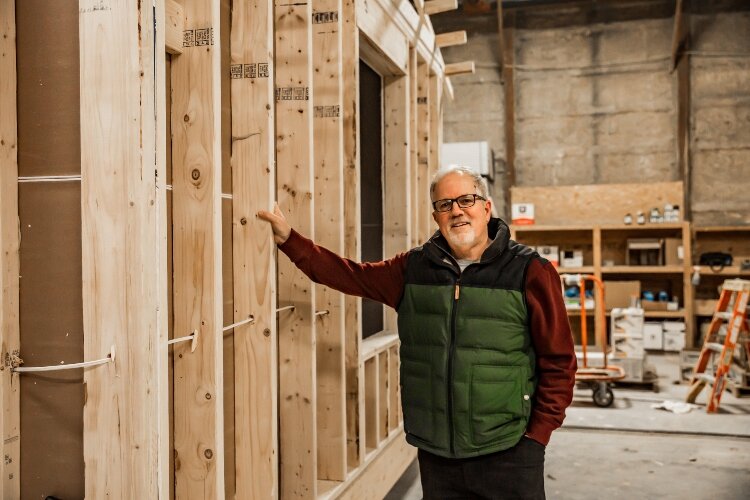
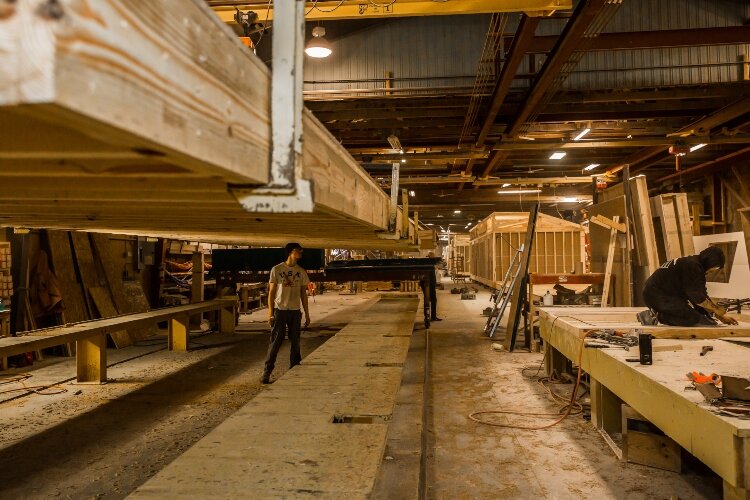
Since opening its corporate headquarters in 1982 in Bay City’s Marquette Industrial Park, General Housing has constructed more than 6,000 structures – all behind closed doors inside its Bay City production facility.
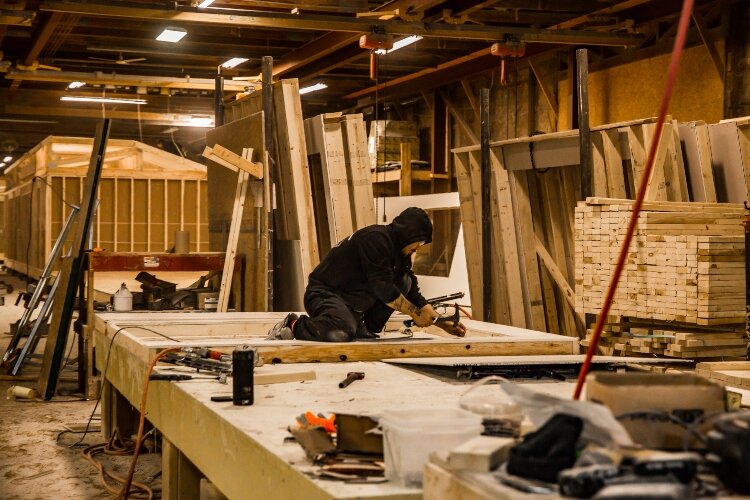
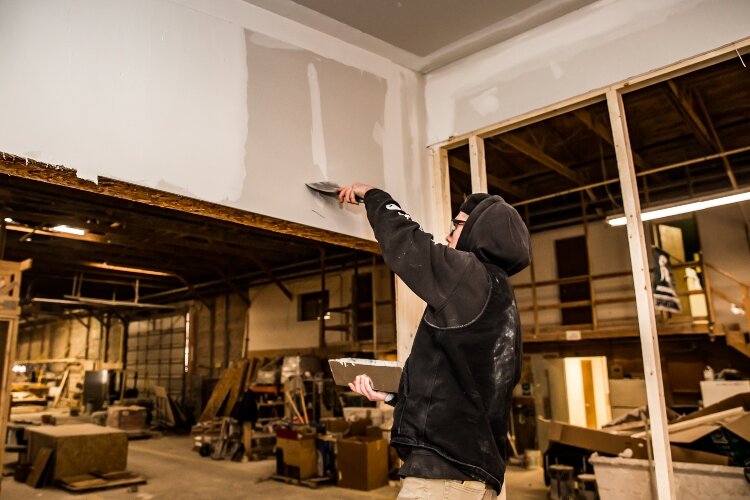
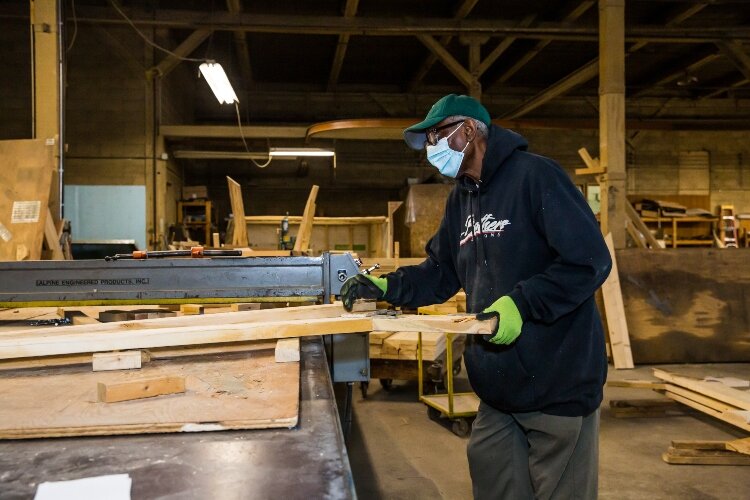
“We’ve taken the home construction process and moved it indoors into a controlled environment where we build the home in modules,” said John Pollion, President. “So instead of going out and hiring crews of builders, drywallers, electricians, plumbers and shinglers, General Housing does it all under one roof.”
This year marks the manufacturer’s 40th anniversary.
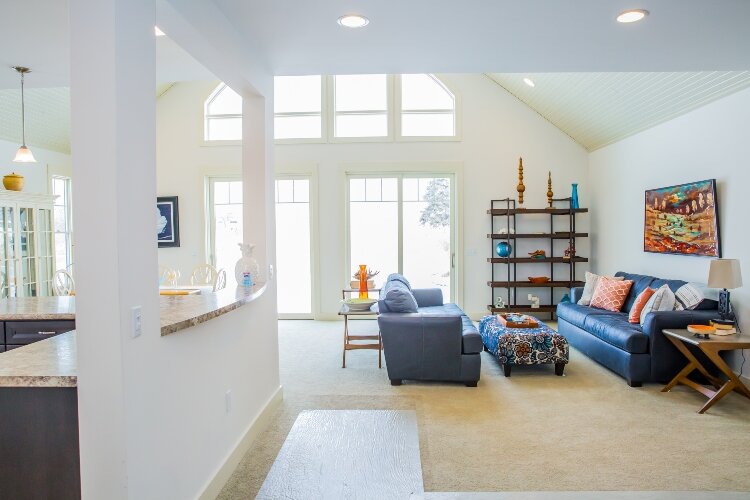
Along with residential single-family homes, General Housing also offers an array of modular condos, apartments, townhouses, duplexes, and light commercial buildings. Each can be tailored to customer specifications.
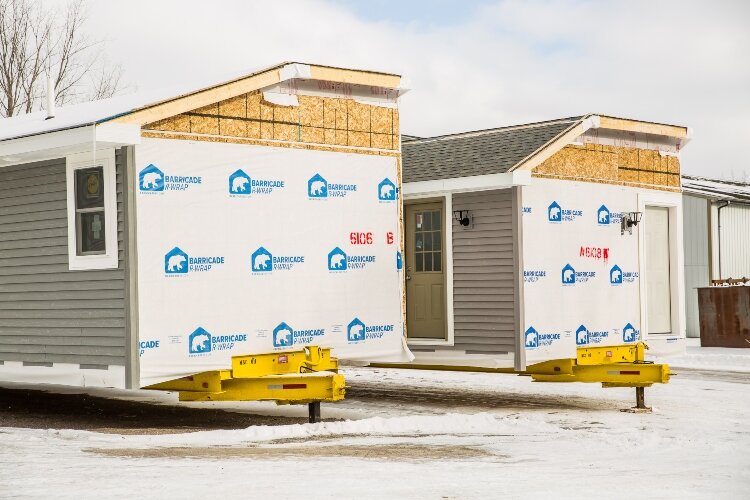
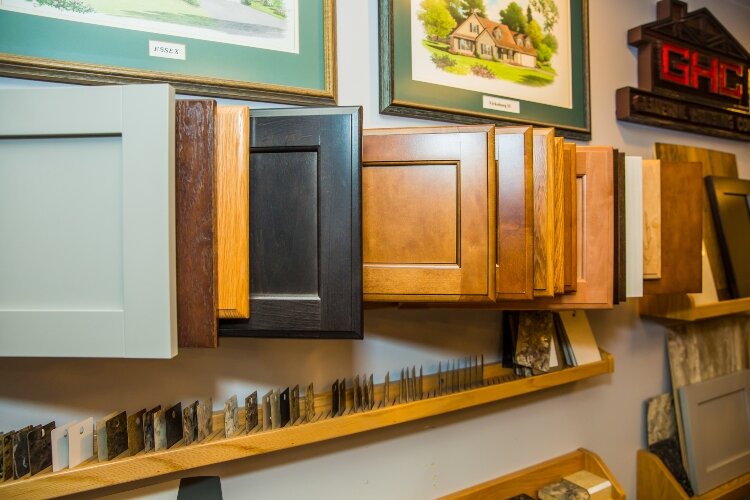
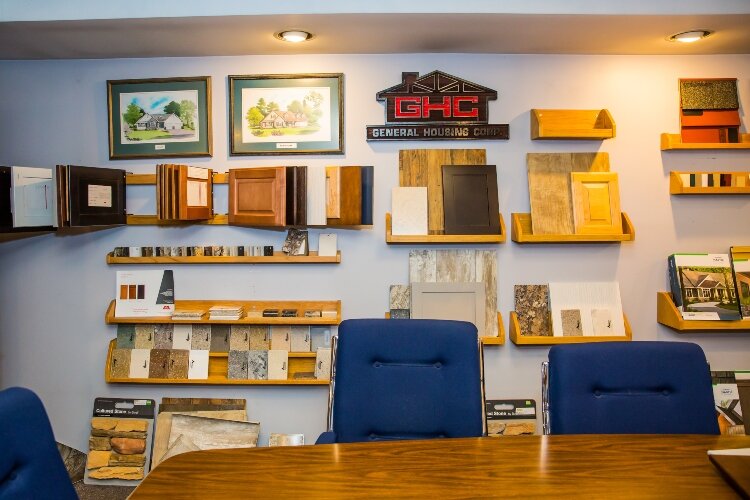
“There’s sometimes a preconception that modular are cookie cutters,” Pollion said. “In reality, we have hundreds and hundreds of standard plans, but will customize them, too.”
Bay City is no stranger to unique home-building techniques.
According to the Clarke Historical Library at Central Michigan University, Bay City was home to three separate companies that sold kit homes: Aladdin, Lewis, and Sterling.
The family-owned Aladdin Company began selling the kit homes in 1906 and was one of the earliest and longest-lived manufacturers of these homes. Aladdin sold many homes to Sears and Montgomery Ward that were marketed through the retailers’ catalogs.
“The idea was simple: a person could find the home of their dreams in a catalog and buy everything they needed to build their home from one source,” according to a Clarke Historical Library article.
“Everything from the floor to the roof, including the paint to use in between, was packaged together in one giant kit. Aladdin would ship all this building material via railroad. The purchaser would pick it all up at the nearest train station, haul it to the construction site, and assemble the house.”
According to some reports, nearly 200,000 ready-cut homes were produced in Bay City from 1906 until 1982, when Aladdin closed.
And then, just a half-mile away across the Saginaw River, General Housing picked up the mantle.
“We went into business in 1982, the year Aladdin homes closed. In fact, the first bunk of 2-by- 10-foot floor joists we purchased came from Aladdin as they were closing their doors,” Pollion said.
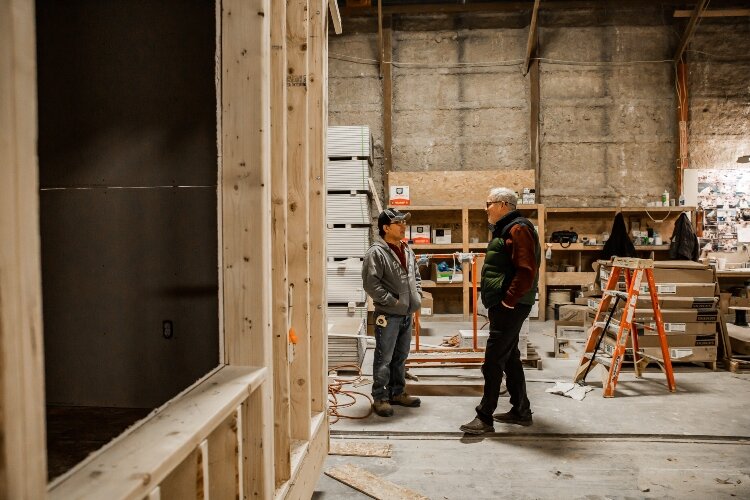
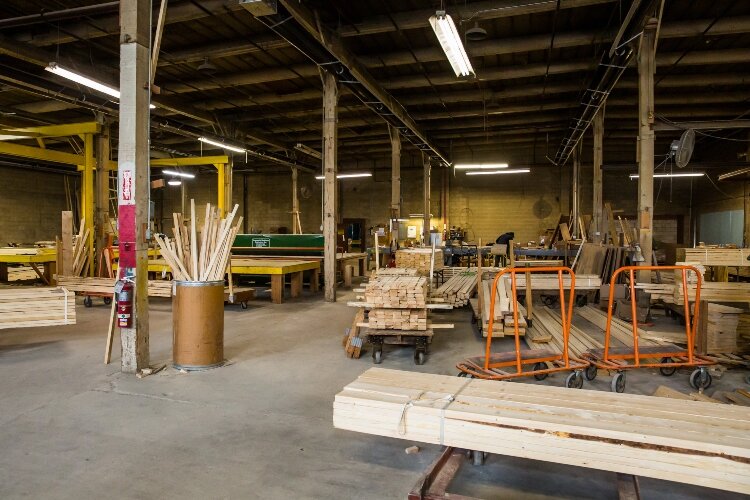
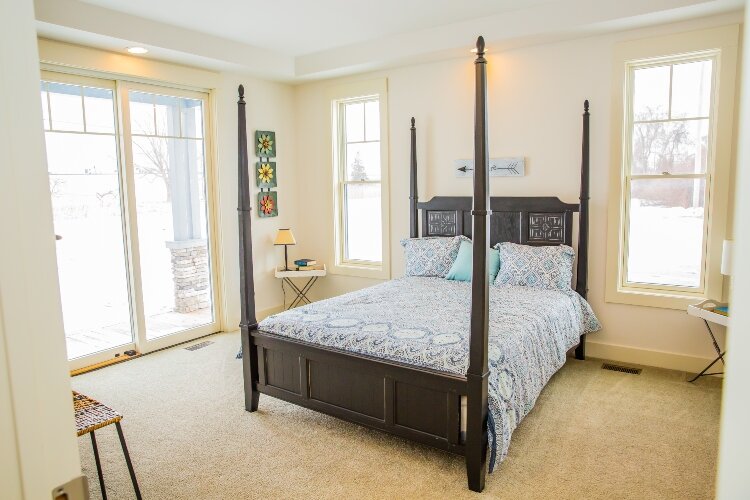
Unlike Aladdin’s kits, General Housing homes are about 80% complete before leaving their 40,000-square-foot production facility, 4644 Fraser Road. The company employs about 50 workers.
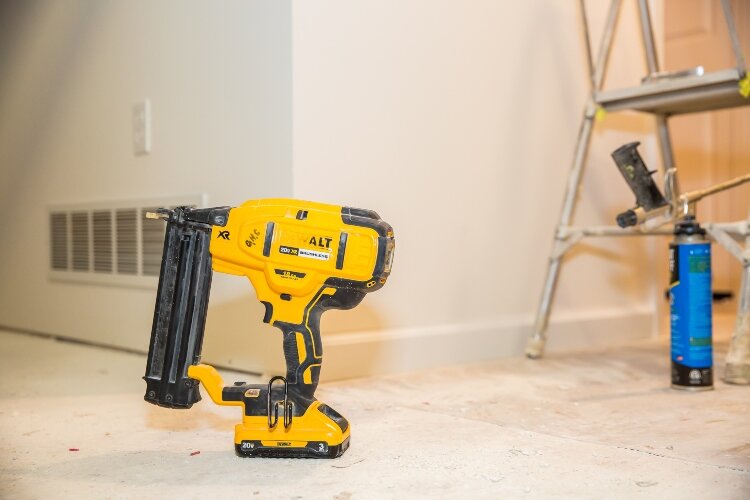
Vice President Kevin Light said the General Housing modular method includes the following steps:
- Floor and wall assembly
- Set walls on floor and stub plumbing in the floor
- Roof assembly; rough wire the walls
- Hang drywall, finish wiring, install insulation
- Mud and sand drywall; roof insulation, roof sheathing
- Install exterior doors and windows, install siding, install roof shingles
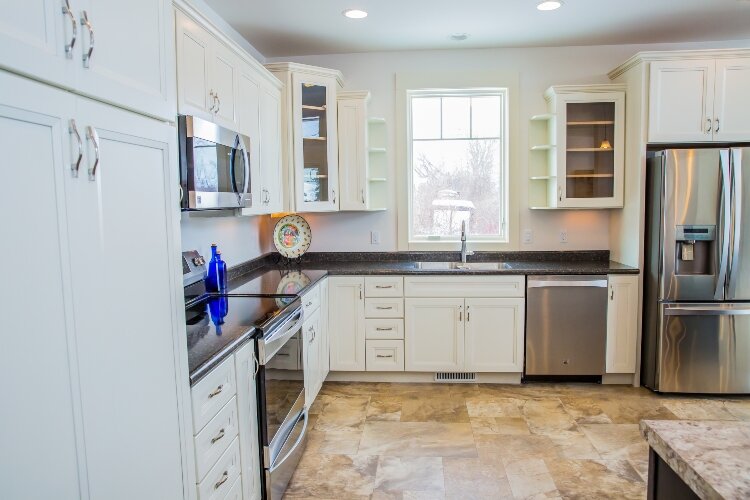
- Install plumbing and light fixtures, interior doors, cabinets and trim work
- Inspect and finalize for shipping, load ship-loose items
- Ship house to the builder anywhere in Michigan
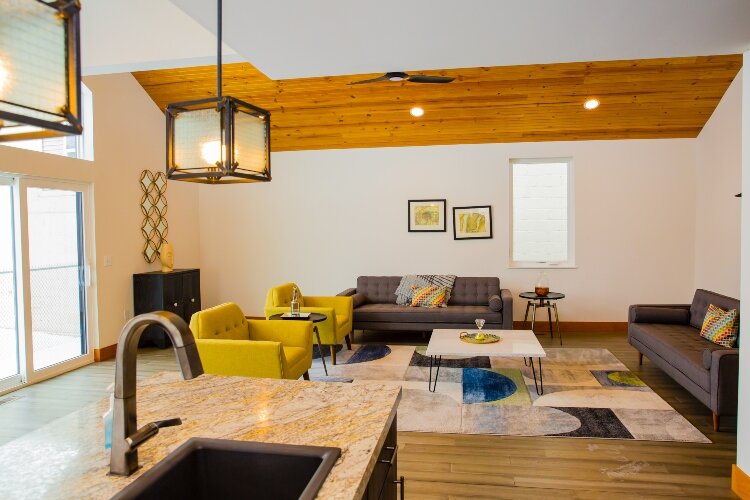
All homes and buildings are required to meet the same Michigan building codes as “stick-built” structures. Homebuyers are invited to visit General Housing production facility and tour model homes at their headquarters.
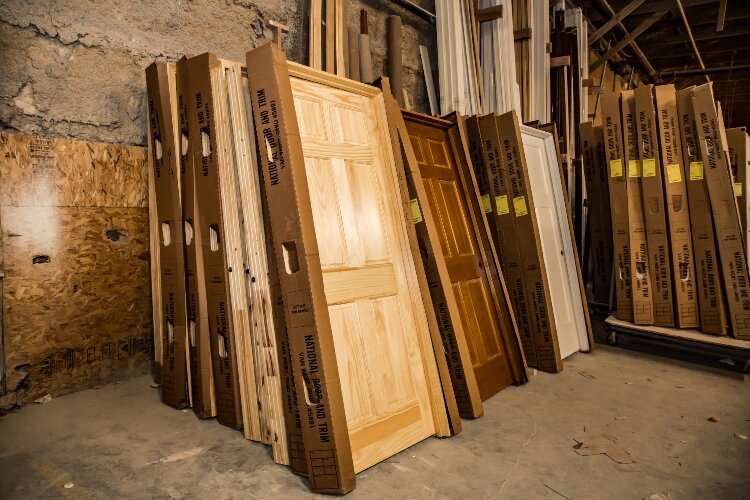
Light said it typically takes less time to construct a General Housing modular home than a site-built home. The modular method avoids such items as weather delays, sub-contractor delays, inspection delays, and scheduling. Materials are protected from the elements, unlike those built on-site, where they’re exposed to sun, rain, snow, wind, and theft.
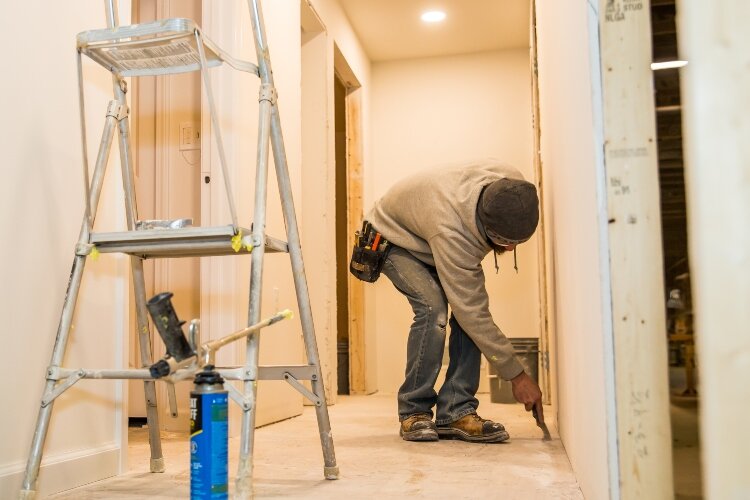
In addition, the main structure can be built as site work and foundation are being completed.
Because General Housing is not a retail operation, it partners with licensed homebuilders across the state to bring together all the pieces of a home’s construction.
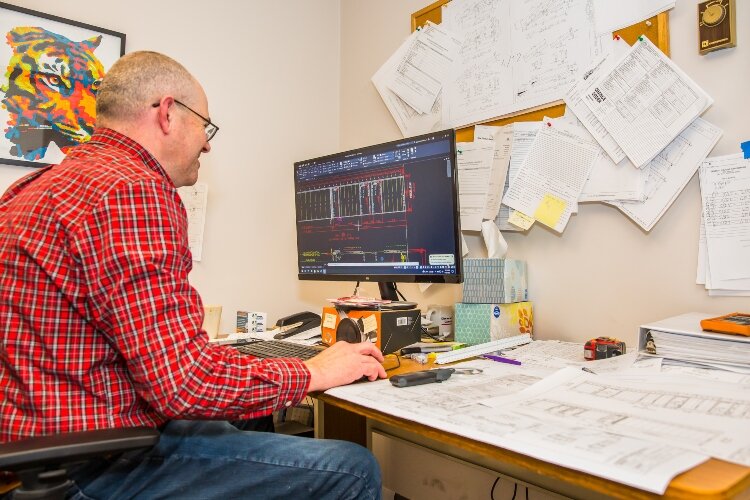
Typically, a licensed builder handles the permits and site work (driveways, grade alterations, crawl space or basement construction) and old building tear down, if necessary. The builder also oversees utility hookups, well or septic.
In addition to its licensed builder partnerships, General Housing relies on many local suppliers for its success, said Brad Sullivan, Chief Operating Officer. Local companies including Wholesale Electric Supply, Sequin Lumber, Medler Electric Co., Ferguson Plumbing Supply, Jim White Lumber Sales, and Eikenhout Building Supplies are all part of the General Housing team.
While the housing construction market has ebbed and flowed through the decades, business is doing very well right now, Pollion said. In late 2021, General Housing celebrated the construction of its 6,000th home.
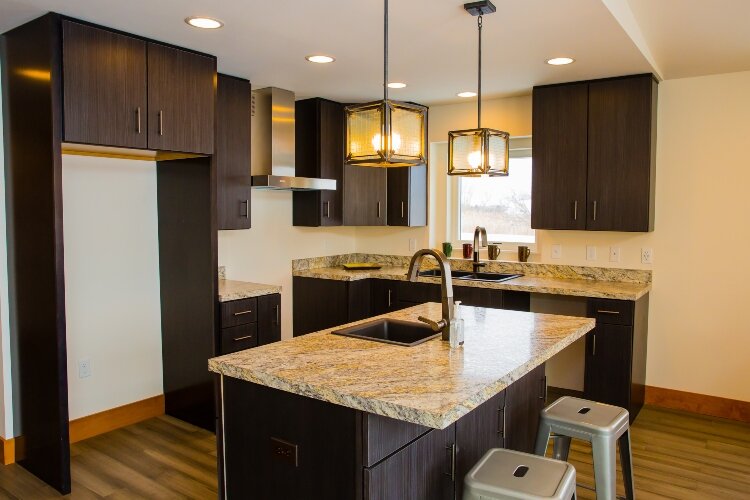
“We pride ourselves in being Michigan-owned, with Michigan-based decisions, and most importantly, with profits staying in Michigan,” Pollion said.
Related Articles

Celebration at Chippewa Nature Center honors winter solstice
Midland residents gathered at Chippewa Nature Center on Saturday, Dec. 20, to mark the winter solstice.
Q&A with Bay-Arenac ISD Superintendent Shelly DuCharme
Bay-Arenac ISD Superintendent Shelly DuCharme explains how the district supports to regional schools, teaches career skills to students, and provided her with the opportunity to return home.

Where everyone belongs: Adaptive sports bringing joy and connection to Midland
Lifelines of friendship, empowerment, and belonging for families of all abilities.