
How can Michigan address its dire shortage of mental health professionals?
Even as mental health issues have risen worldwide, Michigan has fallen behind on having enough health professionals to address that trend.

Even as mental health issues have risen worldwide, Michigan has fallen behind on having enough health professionals to address that trend.
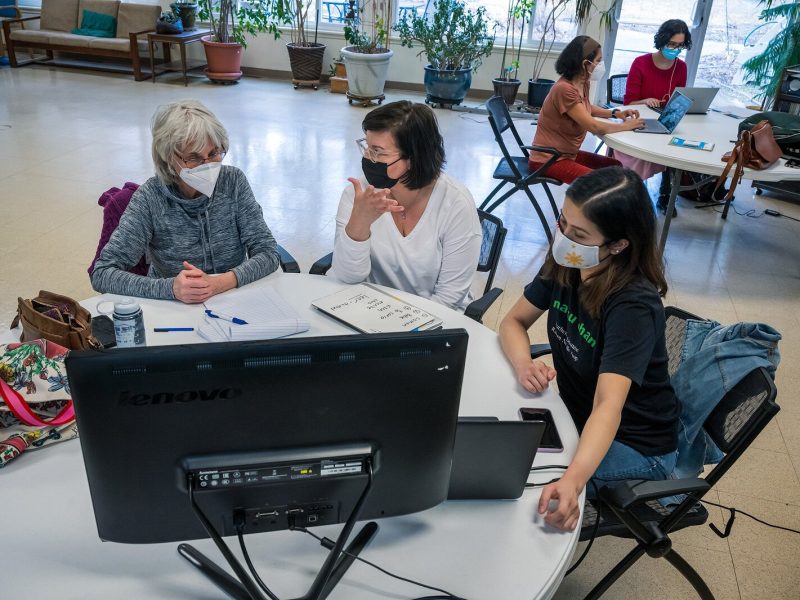
With funding from the Michigan Health Endowment Fund, the national nonprofit Generations United is bringing generations together to build communities that work better for all.
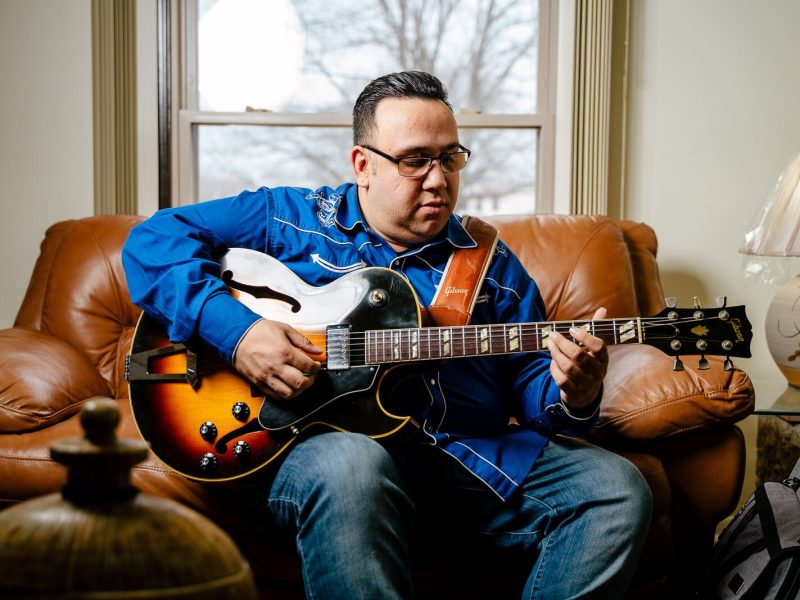
Numerous Michiganders have struggled with problem gambling since online gambling was legalized in the state, but help is available.
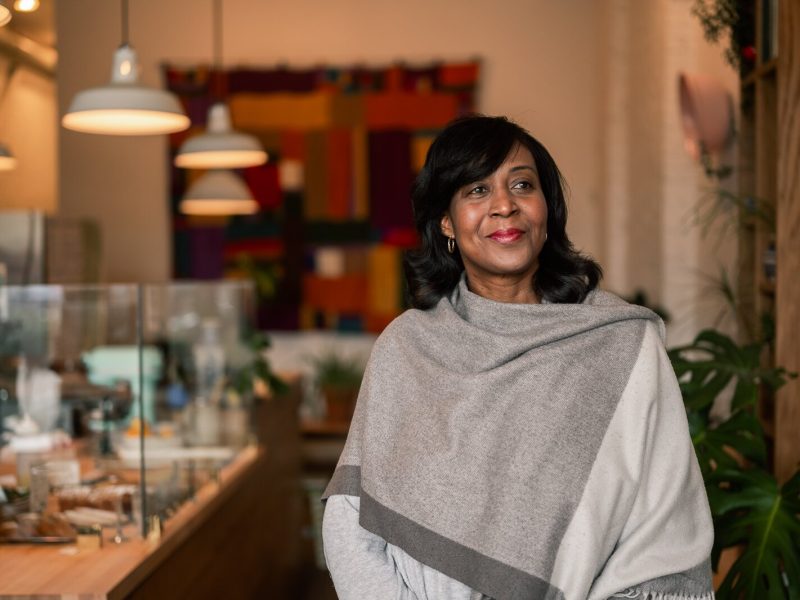
The term "food apartheid" has increasingly supplanted "food desert" as a way to describe the conditions affecting urban and rural communities that lack access to healthy foods.
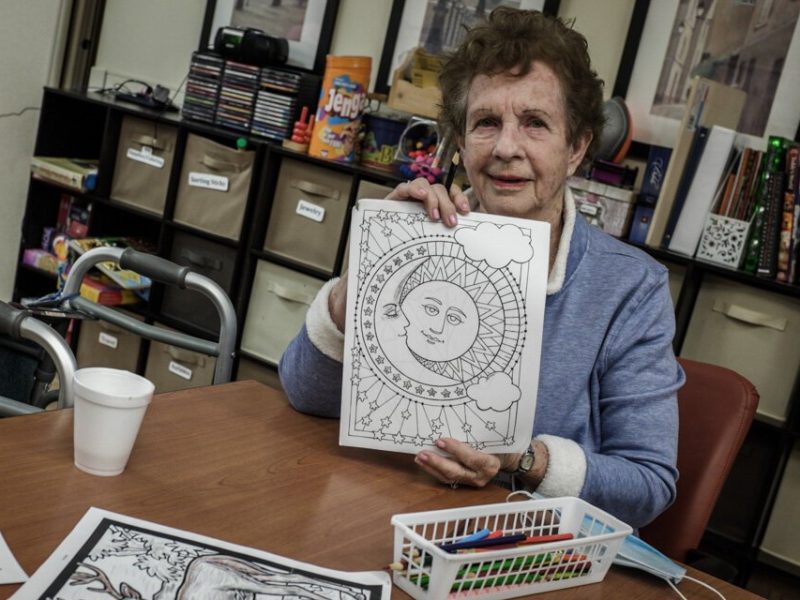
The COVID-19 pandemic has raised awareness about how Michigan communities can bridge gaps in care and improve quality of life for older residents.
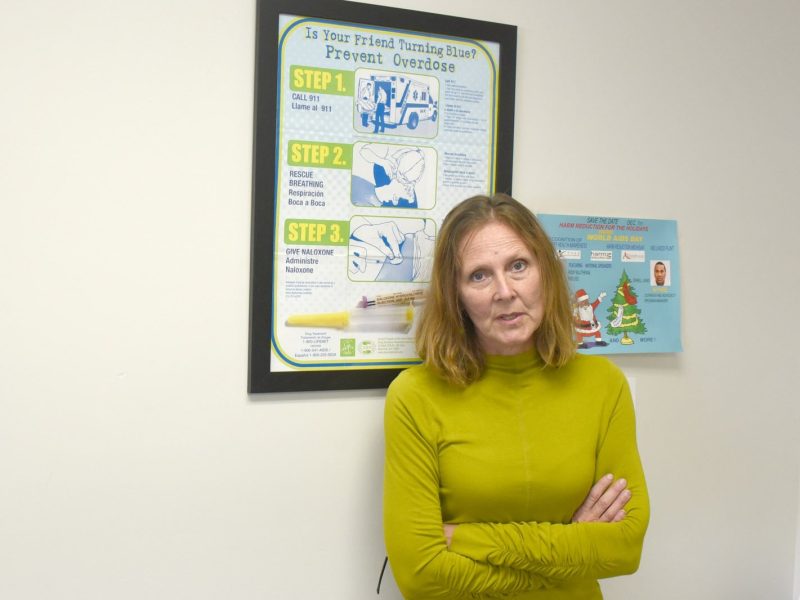
Across Michigan, health professionals are racing to understand which communities have been hit hardest by substance use disorder during the pandemic – and how to turn the trend back around.
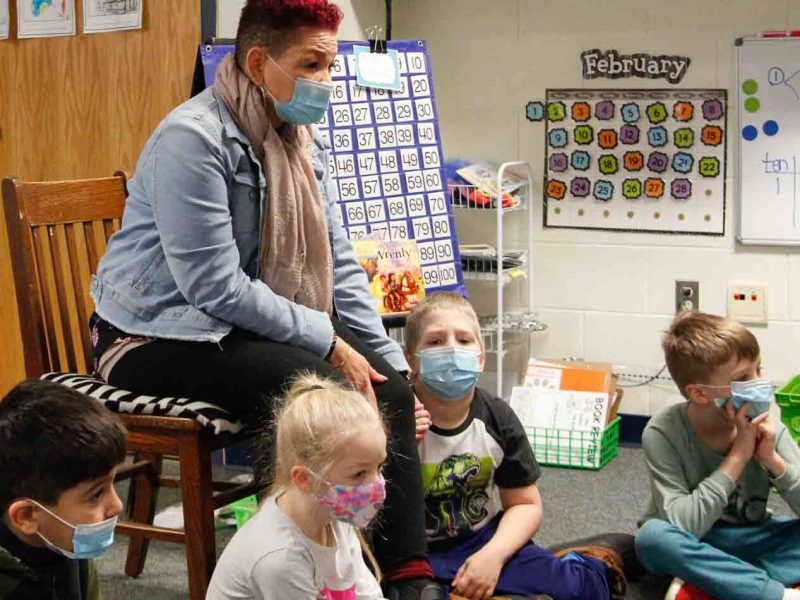
The new network's members, including superintendents, principals, teachers, and school counselors, are helping Michigan's schools instill social-emotional learning in their school cultures.
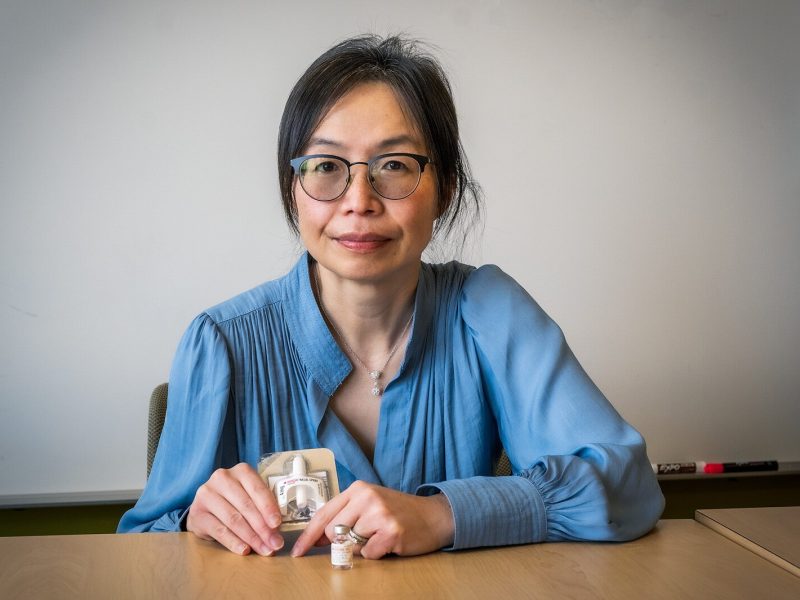
The Michigan Opioid Prescribing Engagement Network focuses on setting prescribing recommendations for providers, distributing Naloxone, reducing surplus opioids, and more.
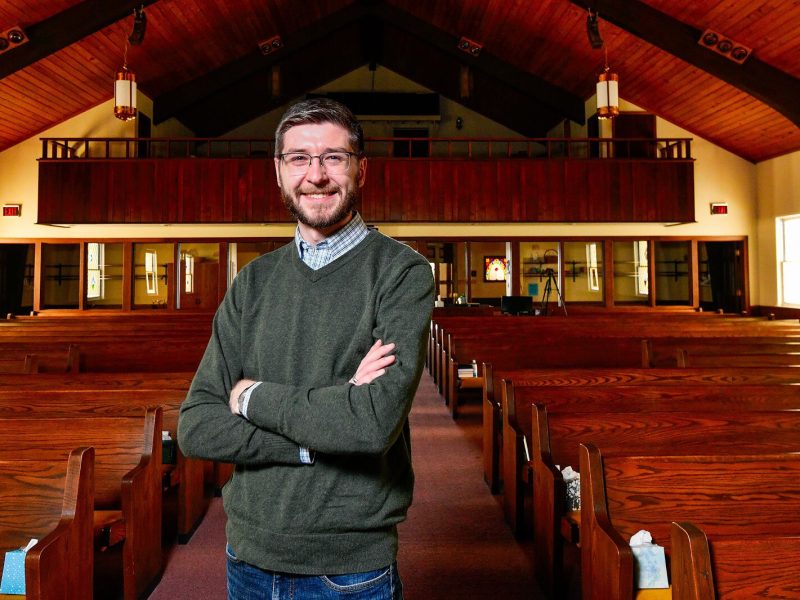
The 5 Healthy Towns Foundation sought new ways to address rising mental health issues in Chelsea, Dexter, Grass Lake, Manchester, and Stockbridge. One solution it identified was equipping faith leaders to help.
Michigan Child Collaborative Care helps primary care providers address their young patients' mental health by offering same-day phone consultations with psychiatrists, among other services.
Our Partners


Common Ground Is Brewing
Support local stories and receive our signature roast straight to your door when you join at the Standard level (or above).
Drink Better, Read Local
