
How do you feed a state in crisis? Michigan Food Security Council report plans ahead
A recent report by the state's new Food Security Council examines response to food security issues during COVID-19 and how we can learn from it in the long term.
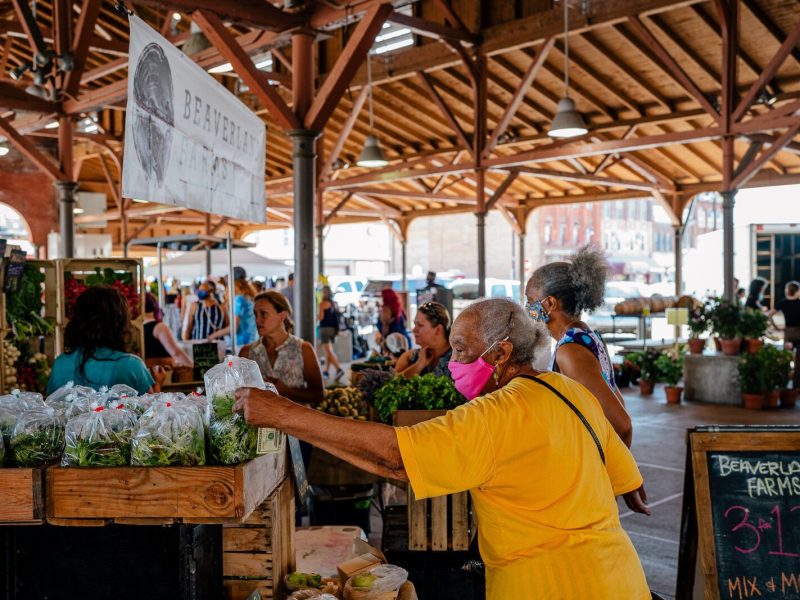
A recent report by the state's new Food Security Council examines response to food security issues during COVID-19 and how we can learn from it in the long term.
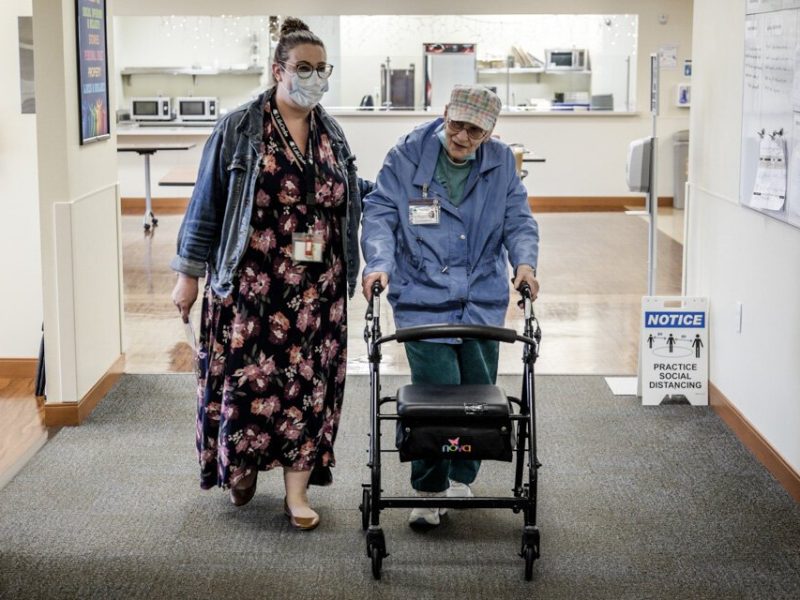
The PACE model provides comprehensive medical and social services at low or no cost to older adults who live at home.

With the coming growth in Michigan's older adult population, the existing movement towards age-friendly health systems has broadened to embrace the concept of "age-friendly everything."
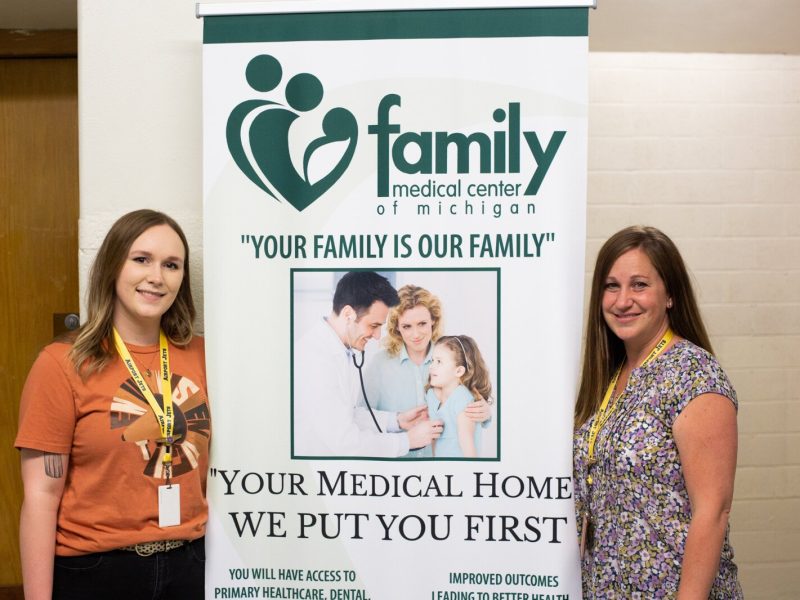
The Family Medical Center of Michigan has developed a successful school-based behavioral telehealth program in partnership with 20 schools in Lenawee, Monroe, and Wayne counties.
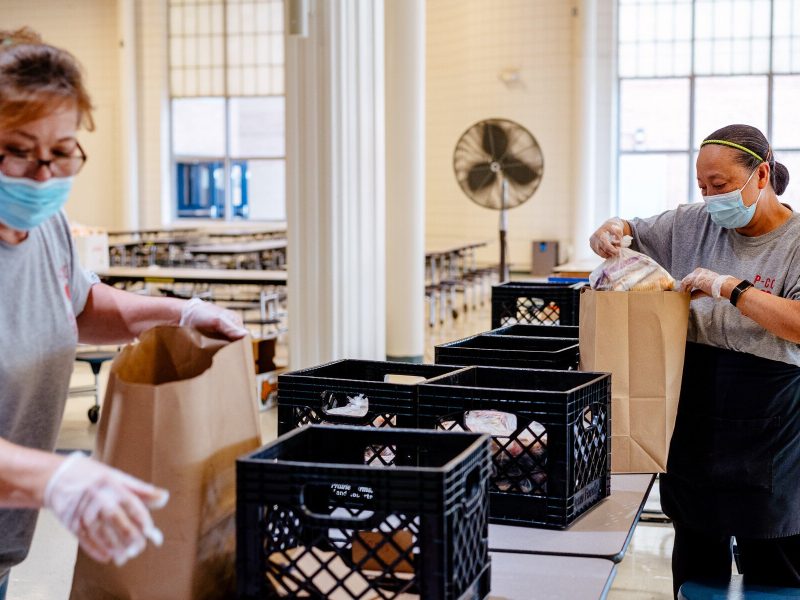
When COVID-19 prompted shifts in how, when, where, and to whom school meals were served, many of Michigan's schools responded with wildly successful meal programs. Now, many education professionals are hoping those shifts inspire permanent changes.
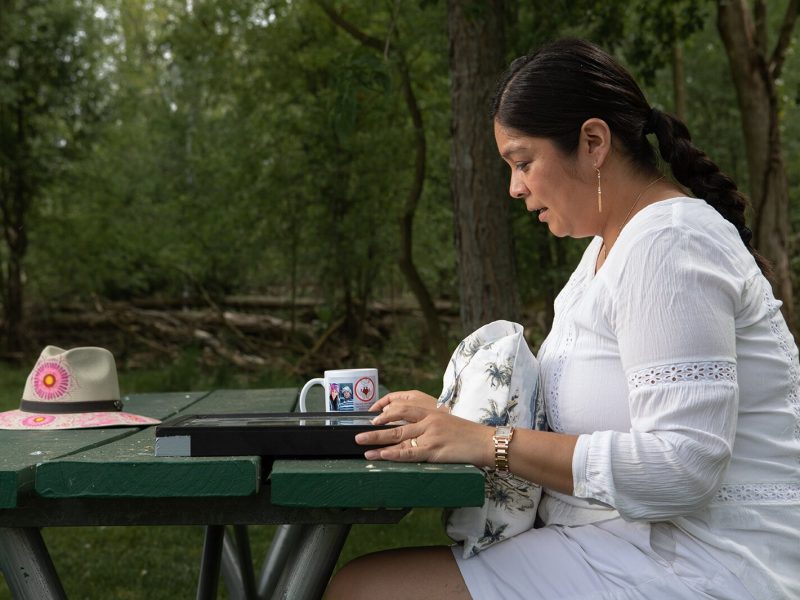
In the absence of many traditional, in-person rituals, the pandemic has forced many to grieve in extremely unusual ways.
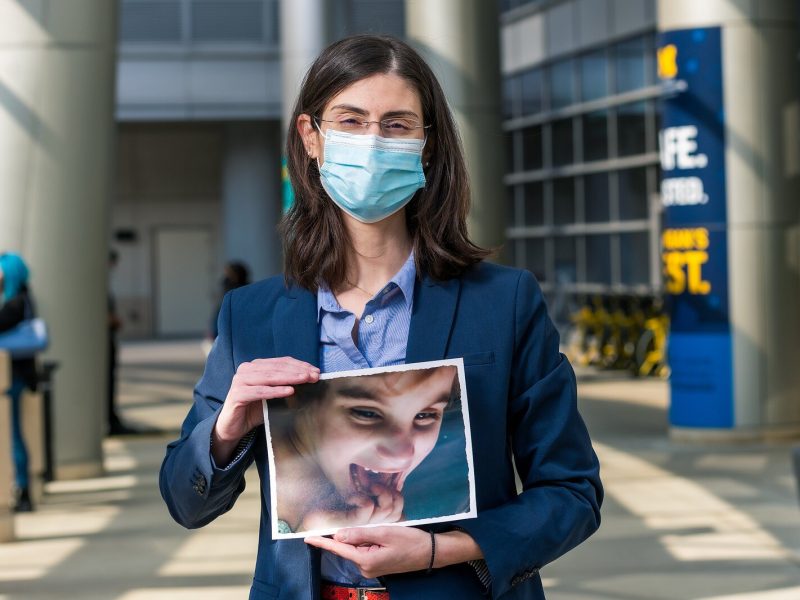
Springing up across Michigan, palliative care programs aim to shift the way we think about death and serious illness.
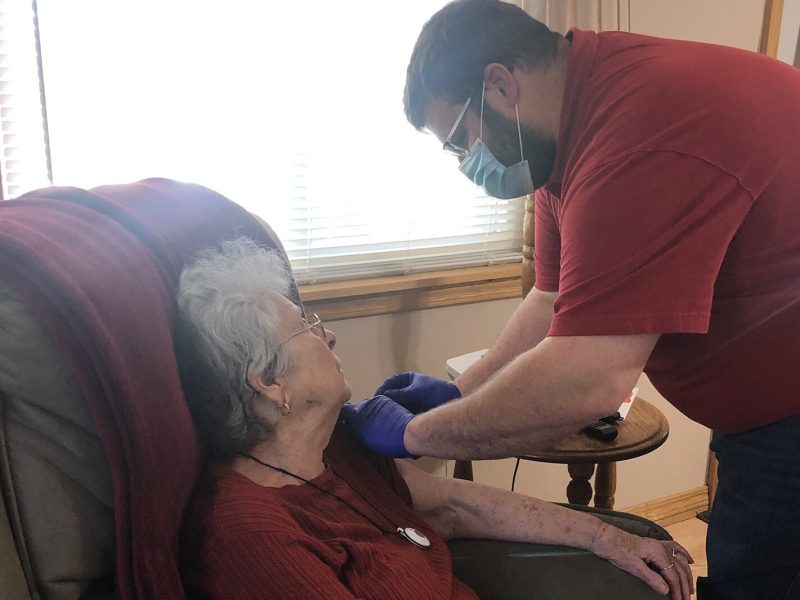
More than 21,000 of the state's estimated 110,000 homebound residents have received their shots through a state initiative in partnership with local agencies.
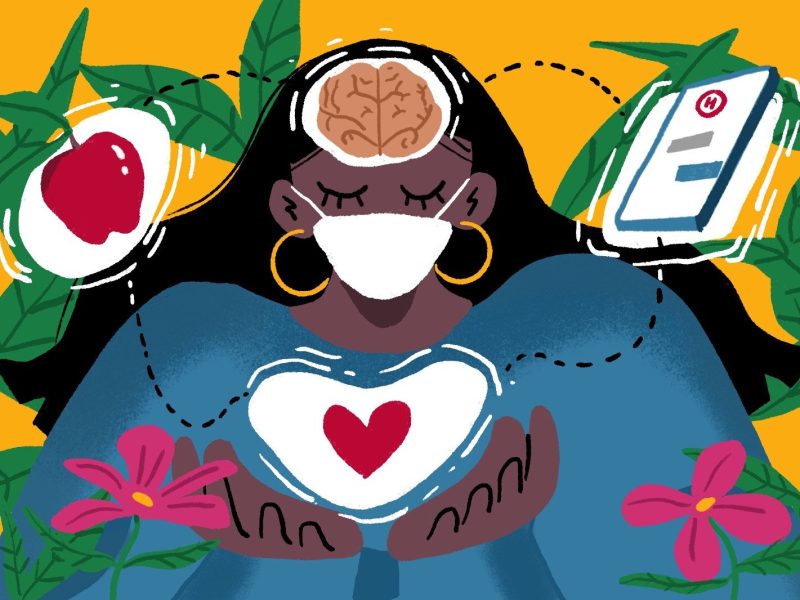
Despite the tragedy, COVID-19 in Michigan is also a story of people rallying, innovating, protesting, and collaborating to meet needs for food, housing, medical care, education, and equity.
The Mood Lifters program brings adults together in peer-facilitated classes where they learn science-based strategies for improving their mental health.
Our Partners


Common Ground Is Brewing
Support local stories and receive our signature roast straight to your door when you join at the Standard level (or above).
Drink Better, Read Local
