
Data sharing among health providers boosts Michigan’s pandemic response
Beyond the color-coded counties and line graphs we've all seen, data sharing has helped Michigan's many health providers better understand and respond to the pandemic.

Beyond the color-coded counties and line graphs we've all seen, data sharing has helped Michigan's many health providers better understand and respond to the pandemic.

A new pilot program identifies families at risk and pairs them with peer mentors and benefits navigators, getting the state more involved in addressing the root causes of child abuse.

Fear of accessing public health programs, vulnerable working conditions, and lack of access to federal pandemic relief all contribute to immigrants being more susceptible to the pandemic than most.

Michigan nonprofits, foundations, and other organizations are confronting the ways their evaluations may contribute to further inequity for those they're supposed to serve.

A new initiative of the Wayne State University Center for Behavioral Health and Justice is working to change the cultural landscape around substance use disorder and decrease overdose deaths.
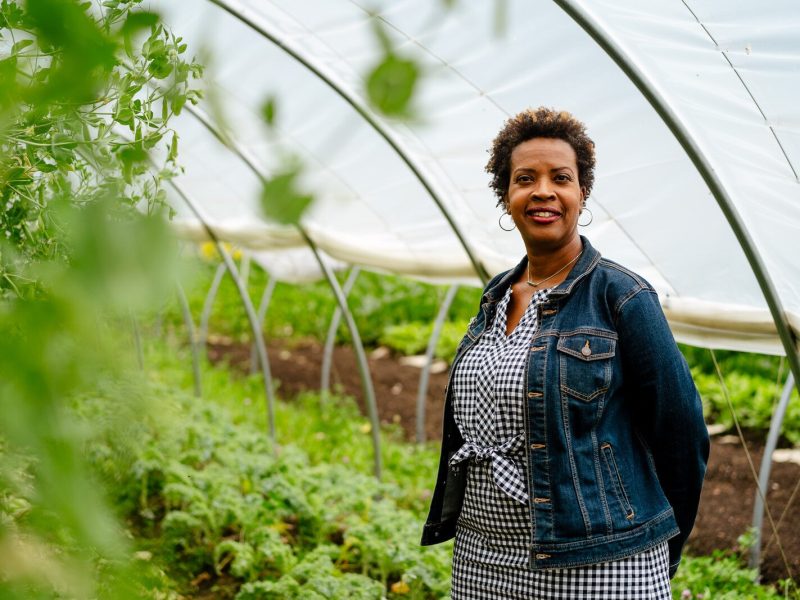
Small Michigan farms have already adapted rapidly to address some of the challenges the pandemic has presented, and local food advocates see many opportunities ahead to continue strengthening local food systems.

Several communities have closed select streets to automobiles, and advocates hope that the pandemic may prompt long-term positive changes in how we use public space for health and fitness.
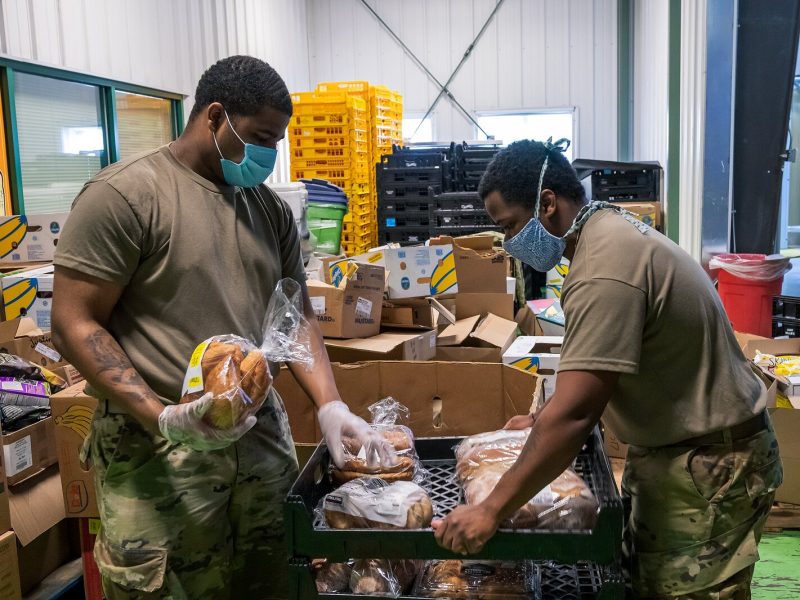
Despite the many challenges the pandemic has presented, food organizations have quickly restructured their operations to meet unprecedented demand.
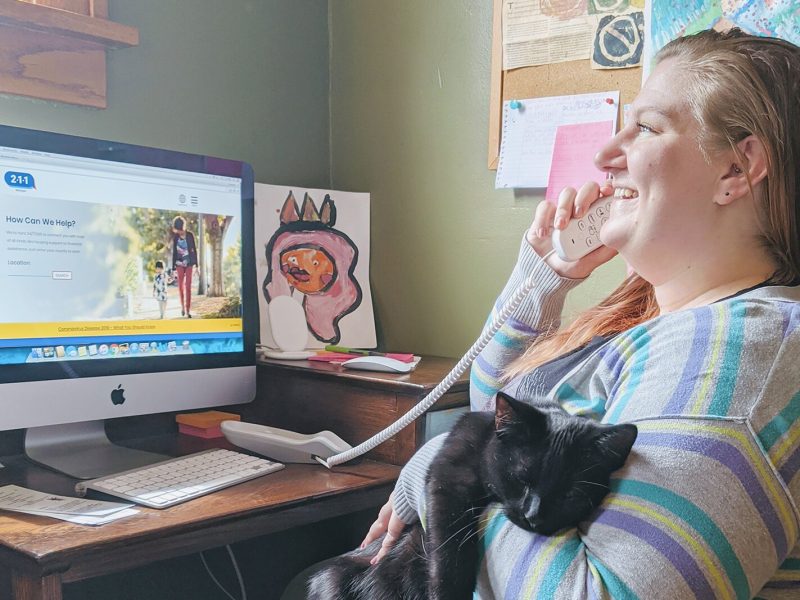
The COVID-19 pandemic has produced an alarming increase in mental health problems nationwide. But in Michigan, a newly established mental health “warmline” offers help from certified peer support specialists who can speak from their own experiences with mental health issues.
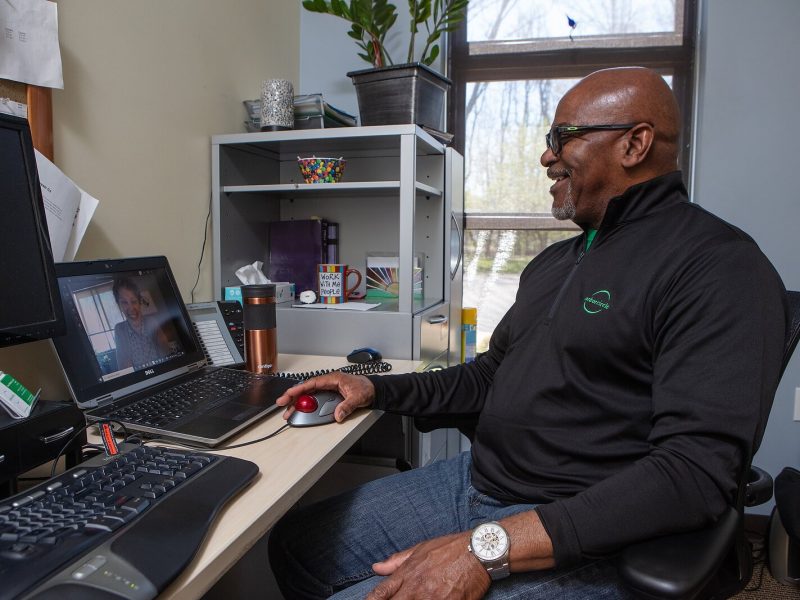
Health care visits conducted by phone or videoconference had slowly started to catch on in Michigan in recent years, but now they're the safest way for health care providers to meet with their patients during the COVID-19 pandemic.
Our Partners


Common Ground Is Brewing
Support local stories and receive our signature roast straight to your door when you join at the Standard level (or above).
Drink Better, Read Local
