
Sanford Lake refill begins with head start, full return expected by mid-May
The return of Sanford Lake is no longer a distant milestone. With water already rising and a rebuilt dam in place, the long-awaited refill process is officially underway, setting the stage for a summer many residents have spent years hoping to see again.
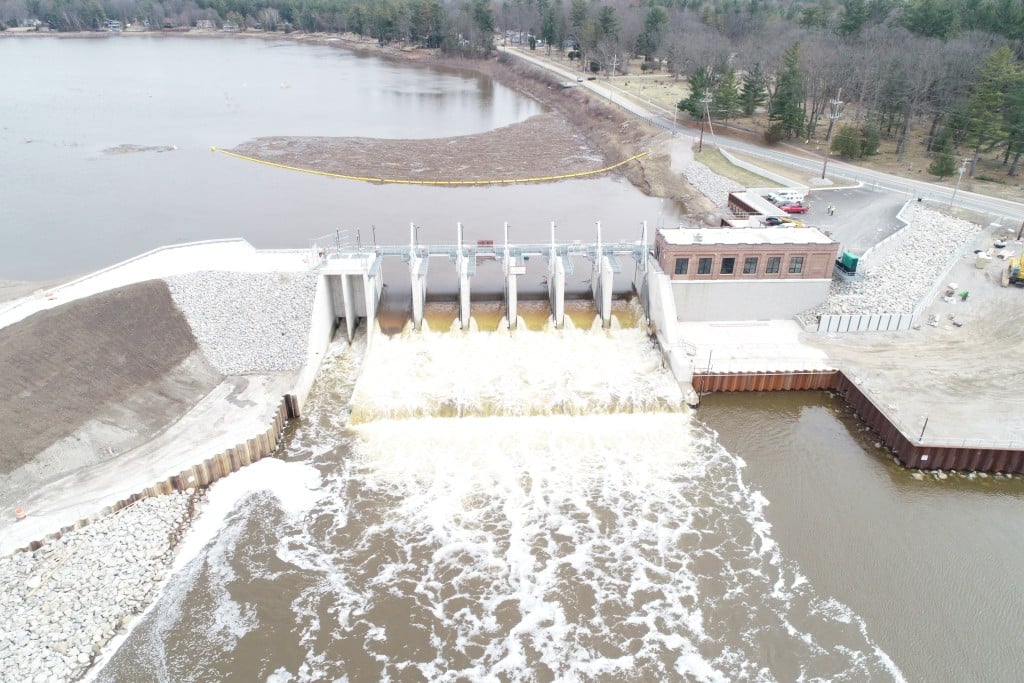
Dave Kepler, president of Four Lakes Task Force sits down with Confluence to talk about the refilling of Sanford Lake which started on April 15.
What actually happened on April 15? And once the refill starts, how quickly will the lake come back?
With the rain that’s occurred over the last month, DNR and EGLE agreed that we are able to keep some of that water because it was a natural current. So we actually have a head start here with about nine feet in the lake already. Starting tomorrow, there’s seven feet left to go. We can restart that now, and we’ll move it up a foot a day as the water allows. And with the current rain flow, it looks like it’s going to allow it.
Then we’ll get up to the winter level, that’s about three feet left to go. We’ll sit there for about two weeks as the engineers examine the performance of the dam and make the last check. We expect to have the lake completely filled by the middle of May. We’ve said we’ll be done by Memorial Day, and we think we’ll be ahead of that target.
What’s different about Sanford now compared to when everything failed? What had to be in place before you were comfortable with this refill?
When you look at the system that we put in place, it’s a significant engineering and construction project. It’s met all the state standards and exceeded it. We went through a risk-based approach to understand what it would take to actually make the dam safe at review from a lot of engineers, third parties, and agencies.
So it’s a well-constructed dam and can handle the flow. The flow goes through the dams, whether they’re there or not, about the same run of the river. So that’s managed. And there’s all these features that protect the dam from a catastrophic failure. So we feel really good about that from the technical side.
When the lake comes back, what will residents see that’s been missing these last few years?
If I look at it from a lake owner’s perspective, which I am one, you’ll get to see a lake again. You’ll be able to sit on your porch and enjoy the view and structure. You’ll have access to the water. Everybody’s scrambling around, making sure the boat launches are in. Obviously, the fish just don’t magically pop back in. So with the habitat we’re putting in and the structures, the environmental change will occur over time.
We’ll try to accelerate that by planning with agencies and stuff to work through. But I think as you get through that first month or so of just getting the lake to stabilize, people will see it as a feature that they can look out of their patio or window at. And they can also get in the water. Midland County’s done a great job of getting the park back in place, so that’ll be available for the community. All these pieces are coming together now, and it should be a good summer.
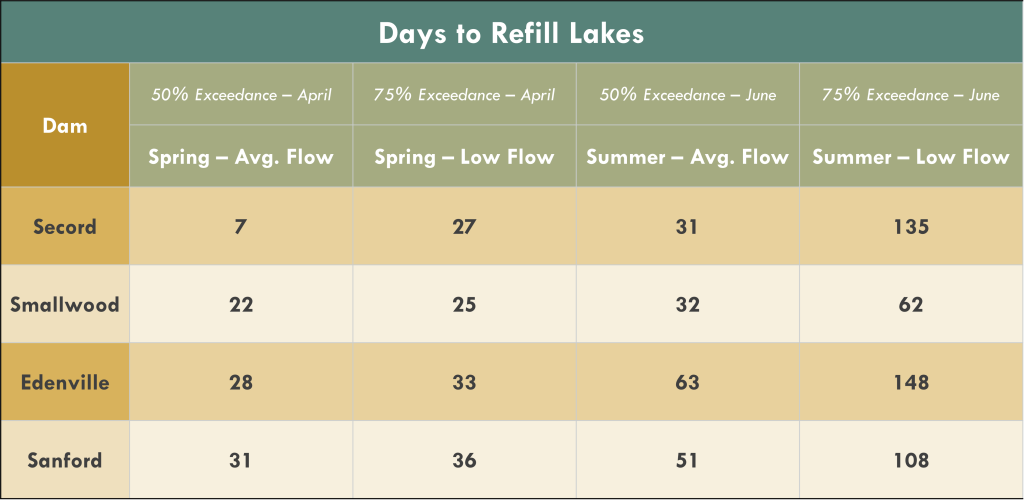
Sanford’s first. How does the rest of the timeline play out from here?
It’s an exciting milestone for us, but we’re not taking our eye off the ball. The schedule changed a little bit as we got into the legal challenges, but we’re staying on schedule. Secord is September of this year. We’re still confident around that. Smallwood is in July right now. The weather has slowed the projects a little bit up, but hopefully we can catch up to that. Edenville has made good progress, and we expect in September of 2027 for it to be substantially complete. Secord and Smallwood lakes never were drawn completely down, so we feel like they’ll come back good, but certainly for the spring and next year. And Wixom is likely to be the spring of 2028.
Once the water starts coming back, what should people be watching for?
We’ll be putting some lake use guidelines out, and the fact that the shoreline’s a little different, that there’s fish habitat, that there’s rock under the water in places. People will have to get re-used to where the natural contours of the lake are, which we’ve also put on the website.
It’s a challenge because as we’re bringing the lakes up, the debris from the bottom land that’s been exposed for six years is coming to the booms of the dam, and we’re in the process of clearing that. And so the first month of use, I think people need to be just careful in boating. It could be a cloudy lake with a lot of potential debris in it. We’ve taken a lot out. We’re going to take a lot out over the next month.
Funding has been a big part of this recovery. How do you usually explain that piece to residents?
Well, I feel like we’ve explained it for five years now. The reality is there’s a benefit for having a lake, and we did as much as we could to lessen the burden in terms of implementing this on the government. Half the funding is from the lake owners, and we know it’s expensive. We were able to get the other half from government sources and other private sources. And I think there are people that the price was just too high for, and they’ve chosen other paths.
There’s a large majority excited about the lakes, including the business people. And we’re seeing a very positive view of that, and I think they’ve internalized the fact that having a lake and the cost of it is something that they’re going to live with and feel good about. Nobody likes to pay for things, but I think they see the value of having the lake back.
Related Articles

Community leaders to receive Bay Area Community Foundation’s highest honor
The Bay Area Community Foundation will honor Ellen Charlebois and Michael Hanisko with its highest recognition, the Peggy Rowley Community Enrichment Award, during the 2026 Faces of Philanthropy Celebration.

Dow Gardens showcases roses, dinosaurs and full slate of summer events
Dow Gardens is in full bloom this summer with more than 350 varieties of roses, the return of Dinosaurs Around the World and a packed calendar of events, including concerts, family programs, guided tours and evening experiences through August

Great Lakes Bay area Juneteenth celebrations
From health fairs and concerts to parades, festivals and community gatherings, Juneteenth celebrations across Bay, Saginaw and Midland counties will offer residents multiple opportunities to honor Black history, celebrate freedom and connect with their communities.


