
From classroom to call ready, the Saginaw Fire Department prepares students for the future
A unique high school fire academy prepares students to enter the workforce with certifications, skills, and a strong sense of purpose.
On most weekdays, while many high school seniors are counting down the days to graduation, a group of local students is doing something a little different. They’re pulling on turnout gear, learning how to move as a team, and stepping into a version of adulthood that asks more of them than most people expect at their age.
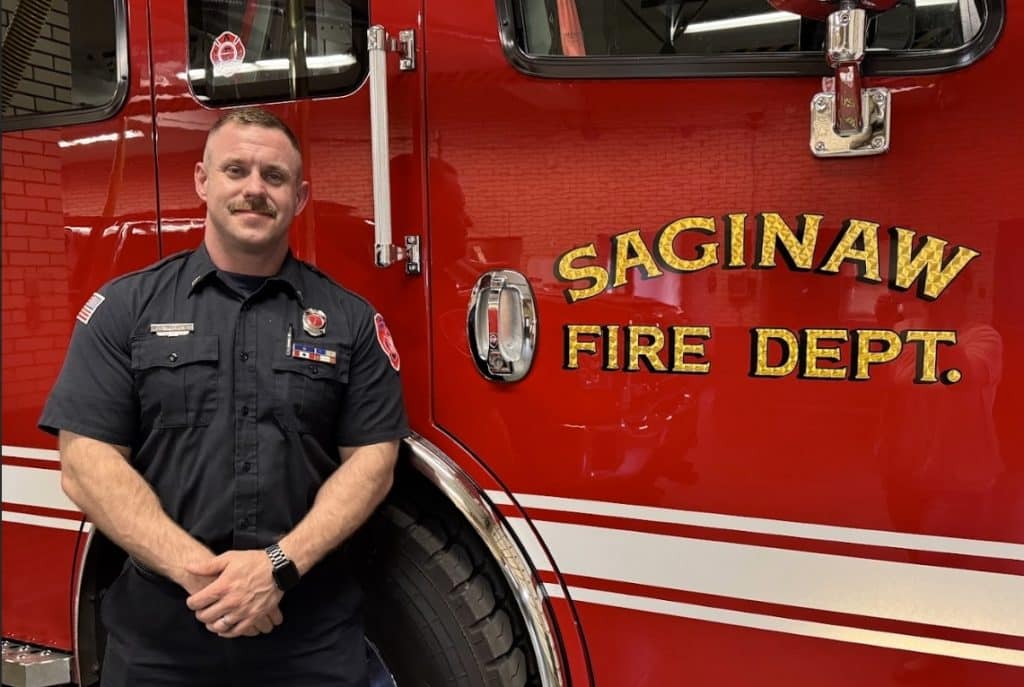
At the center of it all is Lieutenant Cody Beaver of the Saginaw Fire Department, who now leads the region’s high school fire academy program. In its fourth year, the program has quietly become something more than a class. It’s a proving ground, a launching point, and for some students, the first place they truly understand what it means to serve.
Beaver still thinks about one of his earliest students, a young man who wasn’t entirely sure why he signed up in the first place. His parents were police officers, and firefighting wasn’t initially on his radar. But something shifted over time.
“He started asking more questions about what the schedule is like, what the pay is like, what the environment is like,” Beaver says. “So, I would share with him how great of a job this is and all the opportunities that you can get from it.”
That curiosity turned into commitment. By the end of the program, the student had completed the academy, volunteered locally, and eventually secured a full-time position in the fire service before most of his peers had even settled on a college major. Stories like that, Beaver explains, are no longer the exception. They’re becoming part of a growing pattern.
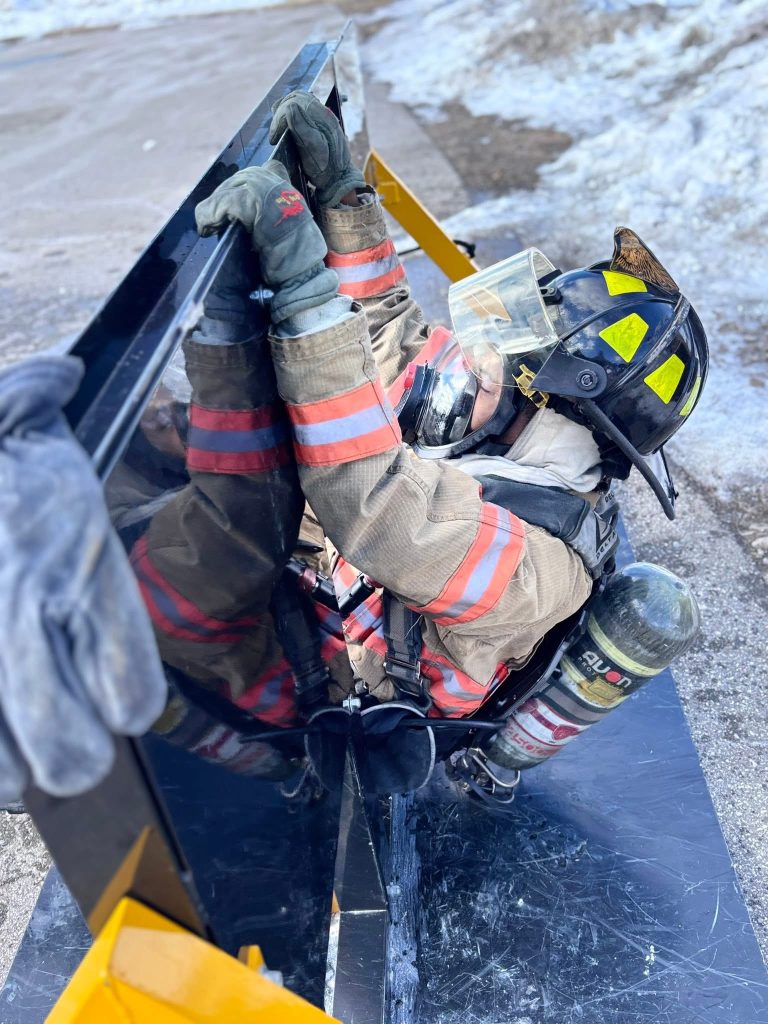
The program itself is structured with intention and care, shaped through partnerships with the Saginaw Career Complex, Bay-Arenac ISD Career Center, and Delta College. In past years, students filtered in through public safety and law enforcement tracks before applying to the academy as seniors. Now, the process is more direct, with interviews, parent engagement, and a clearer understanding of the commitment required.
That commitment is significant. Students spend Monday through Thursday in training, working through the same curriculum and hands-on practicals required of adult fire academy recruits. On Fridays, they step into real departments across the Great Lakes Bay Region, job shadowing firefighters in their own communities.
“The big difference in what makes our program appealing is on Fridays, I assign them to job shadow with their local fire department,” Beaver explains. “That way they get to see how important the relationship with the community they serve really is.”
It’s a rhythm that blends classroom learning with lived experience. One day they’re practicing technique; the next, they’re observing the quiet, steady work of a department that shows up for its community in ways most people never fully see.
By the end of the school year, students are prepared to sit for their state exams. If successful, they earn Michigan Firefighter I and II certifications, along with additional credentials in hazardous materials operations, CPR, first aid, and incident command systems. They also leave with college credits that can be applied in multiple directions, whether they pursue firefighting or something entirely different.
But Beaver is quick to point out that the value of the program goes beyond certifications.
“I don’t like to collect certifications just to say I have them,” he shares. “Education is great, but it’s even better if you can apply it immediately.”
That philosophy is part of what sets the program apart. Students aren’t just learning concepts. They’re stepping into responsibility. They’re being asked to show up, to work as a team, and to navigate real expectations in a structured, supportive environment.
And for the Saginaw Fire Department, the impact runs both ways.
“We’ve hired one so far, and we always keep an open mind for the next student,” Beaver says. “But what it really does for us is it reminds us how much we love this profession.”
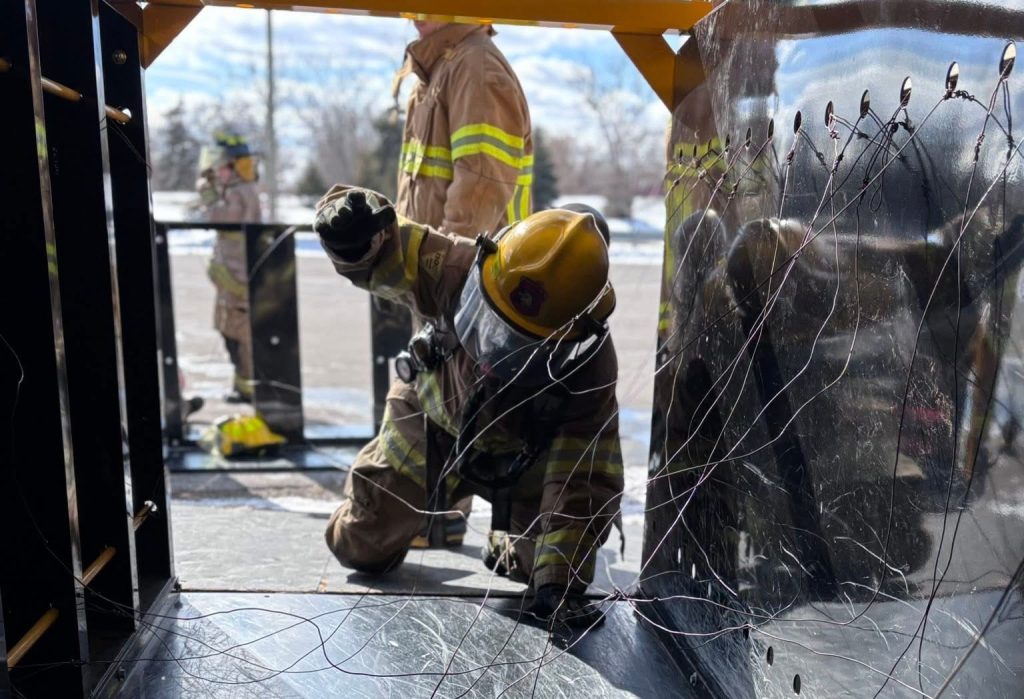
There’s something about watching young people encounter the work for the first time, he explains, that brings firefighters back to their own beginnings. It re-centers the purpose behind long shifts, difficult calls, and the quiet weight of the job.
Inside the academy, students come from a wide range of backgrounds. Some arrive with a clear goal. Others are simply curious. Many don’t know each other at the start. But over time, they learn how to work together in ways that matter.
Firefighting, Beaver explains, demands that kind of connection. “Firefighting is inherently dangerous and requires a lot of collaboration and teamwork,” he continues. “We put them in a room and say, you’re going to work together this year.”
It’s not always easy. The program intentionally places students in situations where they must navigate conflict, solve problems, and rely on one another. Those moments, Beaver believes, are where the real growth happens.
By the end of the year, something has shifted. Students who started as strangers often leave as close friends, bonded by shared challenges and a deeper understanding of what it means to be part of something bigger than themselves.
They also leave with perspective.
Through conversations and carefully shared experiences, Beaver and his colleagues help students understand the human side of the job. Not just the emergencies, but the people behind them. The families. The uncertainty. The resilience.
“They’re counting on you to provide a service that they can’t provide for themselves,” Beaver says. “And that’s something we talk about a lot.”
For many students, that realization stays with them, whether they pursue firefighting or not. It shapes how they see their communities and their role within them.
The results are already showing. Beaver estimates that roughly 70 percent of program graduates are now working in the field, either full-time or in paid-on-call roles. Others take the experience into different careers, carrying with them the discipline, confidence, and sense of purpose they developed along the way.
And for Beaver, the work remains deeply personal. “I feel like I have a purpose every day when I come in here,” he says. “Even when we have a lot on the plate, I’m still excited to come here because I just don’t know what’s going to happen.”
It’s that mix of uncertainty and meaning that keeps him invested, not just in the job, but in the next generation stepping into it.
Because in a classroom that looks a little more like a training ground, and in a program that asks students to rise a little earlier and dig a little deeper, something steady and meaningful is taking shape.
Not just future firefighters, but young people learning, one day at a time, how to serve, how to lead, and how to show up when it matters most.
Author

Related Articles
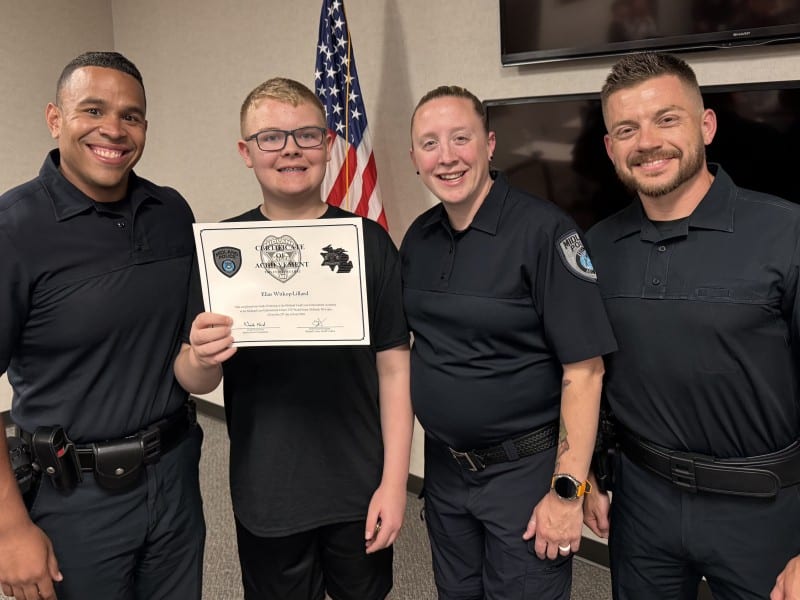
Beyond the uniform: How Midland Youth connect with First Responders
Midland’s schools and community events are creating opportunities for young people to build trust and familiarity with first responders long before an emergency brings them together.
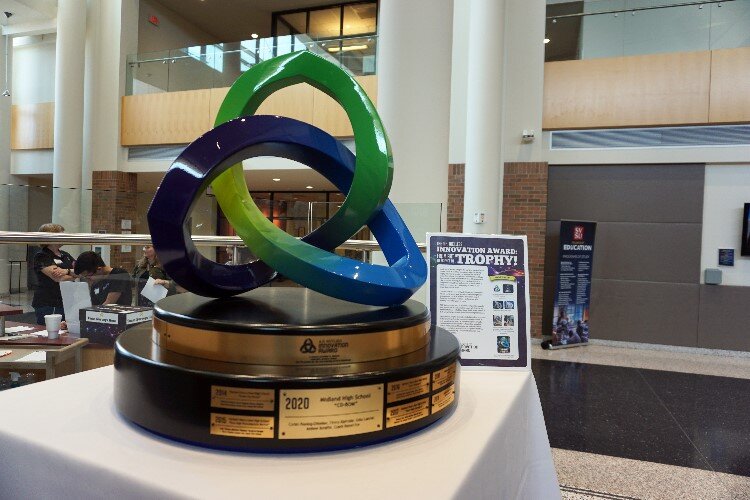
A.H. Nickless Innovation Award launches 14th annual competition with $77,500 in scholarships and grants available
High school students across Bay, Midland, Saginaw and Tuscola counties can now register for the 14th annual A.H. Nickless Innovation Award, competing for a share of up to $77,500 in scholarships and STEM education grants.
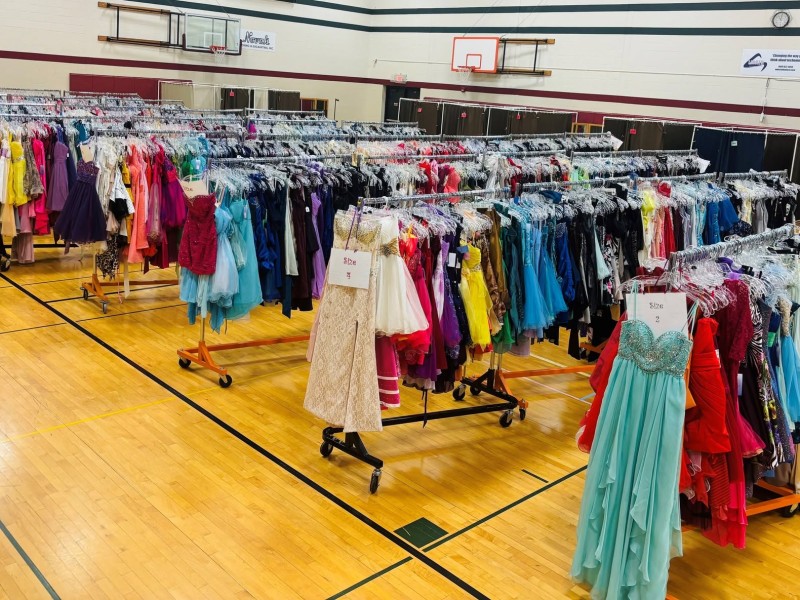
Dream Dress Express returns with free formalwear for homecoming season
Greater Midland North Family Center will host its annual Dream Dress Express Aug. 27-29, offering more than 3,000 free dresses, shoes and accessories to community members preparing for homecoming and other formal events. Appointments are required, but there are no income or residency requirements.


