
Teach Me Tuesdays: Building confidence through real world learning
Mrs. Render is helping students gain independence and dignity through hands-on life skills and meaningful connections.
Each week in Mackenzie Render’s classroom, the most important lessons don’t come from a textbook or a test. Instead, they unfold in a welcoming space softened by gentle lighting, the quiet hum of an air purifier, and walls lined with posters full of adventure.
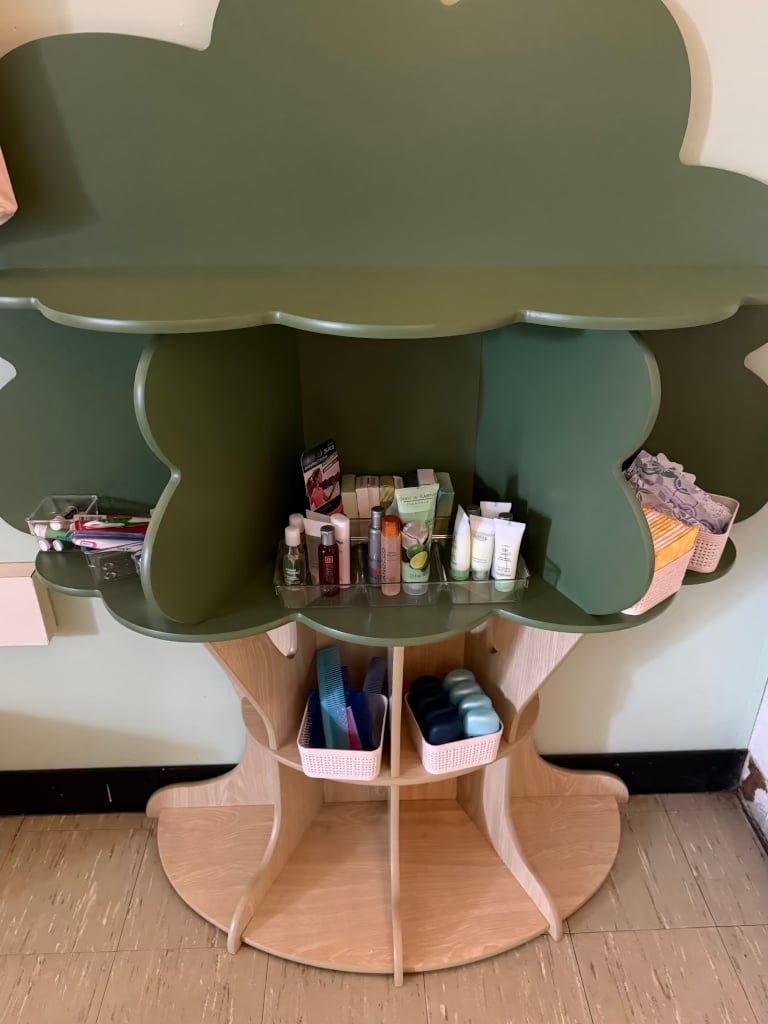
Tucked into the room is a “giving tree,” a shelf designed to look like a tree and stocked with supplies students can access freely, including personal hygiene items. Together, these details set the tone for students to build the real-world skills they need to navigate everyday life with confidence.
At Dow High School, Render, a first-year special education teacher, has built a weekly routine called “Teach Me Tuesdays,” a program centered on helping students develop practical skills they will carry with them long after they leave the classroom.
Render’s path to special education was shaped early on by her own experience in a school environment that prioritized inclusion. As a student, she participated in a peer-to-peer program that paired general education students with disabilities, giving her a firsthand look at the impact thoughtful, supportive teaching can have.
“I was very fortunate to go to a school that promoted acceptance and inclusion for all students,” she explains. “After taking a peer-to-peer class multiple times, I saw the difference that a great teacher can make in the lives of students with disabilities, and I wanted to do the same.”
Now in her first year of teaching, Render is doing exactly that, creating opportunities for her students to build both skills and confidence in ways that feel approachable and empowering.
Teach Me Tuesdays reflects that philosophy.
“Teach Me Tuesdays are a way for my students to learn about and practice new skills that their peers may already know in a relaxed, low-stakes environment,” Render shares. “Students know that there is not a grade attached to these topics and that the expectation is for them to simply participate.”
That absence of pressure is intentional. For students who may already feel self-conscious about what they don’t know, removing the fear of being graded opens the door to genuine learning. It allows them to try, make mistakes, and try again without the weight of judgment.
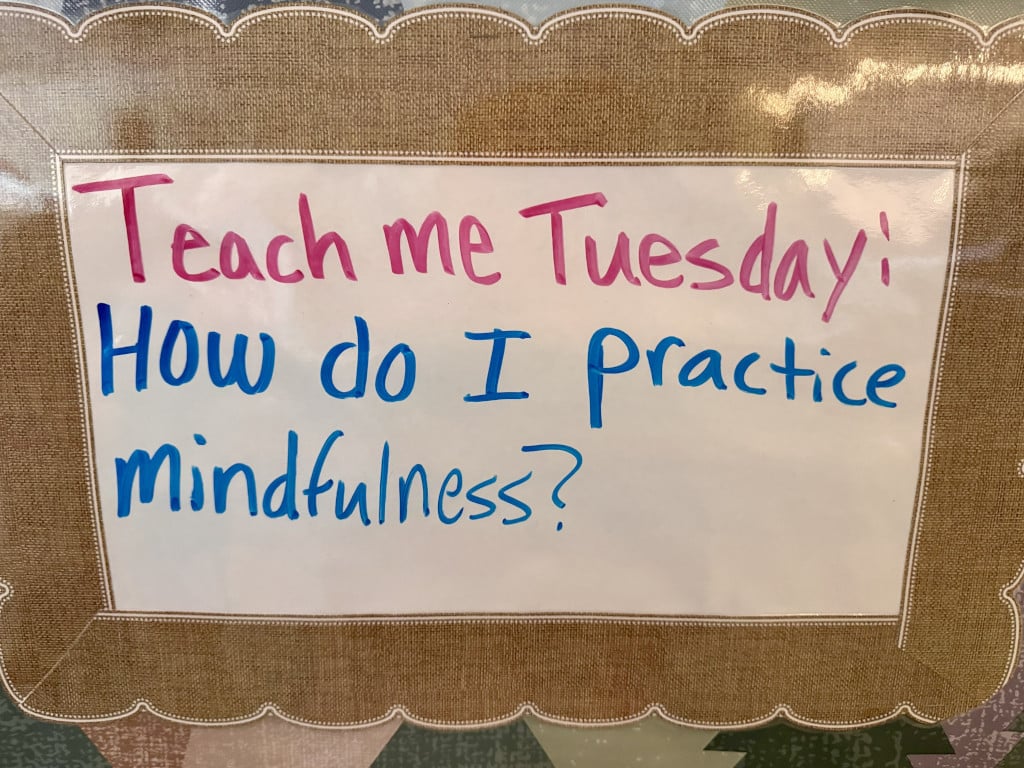
Each week, the lessons focus on everyday tasks that are easy to overlook but essential for independence. Students practice tying their shoes, sending emails, and signing their names in cursive. They learn how to book transportation through Dial-A-Ride, write a check, create a basic budget, and plan meals for multiple people.
“In general, these are things they will need to know how to do, but unfortunately may not have the support system at home to teach them, which is why I have tried to fill in that gap a bit,” she says.
“Additionally, many students find it embarrassing if they can’t do certain things around their neurotypical peers, so this also gives them a sense of pride and dignity in now being able to do that for themselves.”
That sense of dignity is at the heart of the program.
Rather than focusing solely on academic benchmarks, Teach Me Tuesdays centers on building independence in a way that feels respectful and affirming. The skills themselves matter, but so does the confidence that comes with mastering them.
Render credits much of her success in her first year to the support system around her, both from colleagues and students.
“My colleagues and my students,” she says when asked about her favorite part of the job. “I am fortunate to work with incredibly knowledgeable staff who have helped me during my first year as a teacher. This has made me more confident and allowed me to show up for my students each and every day as my best self.”
That confidence has allowed her to focus on what matters most: relationships.
She understands that for some of her students, school is more than just a place to learn. It’s a place where they feel safe, seen, and supported, sometimes in ways they may not consistently experience elsewhere.
“Not all of my students have access to consistently safe adults at home,” she explains. “So, I love that I get to be that for them, even if it is only for a small portion of their day.”
Those relationships are the foundation for everything that happens in her classroom. Without trust, learning can feel out of reach. With it, even small steps forward can become meaningful milestones.
“I am most proud of the connections that I have made with my students,” Render says. “Without that connection, students aren’t as engaged or motivated, so having a strong relationship established before focusing on content was very important to me.”
The impact of that approach shows up in quiet but powerful ways. A student completing a task independently for the first time. A sense of pride where there was once hesitation. A growing willingness to try something new.
These moments may not always be visible on a report card, but they represent progress that extends far beyond the classroom.
Looking ahead, Render has clear goals for expanding opportunities for her students and others like them. In the short term, she plans to complete her master’s degree in organizational leadership and use those skills to help establish a peer-to-peer program at Dow High, along with a unified sports program that would allow students with disabilities to participate more fully in athletics.
Long term, she is considering pursuing a doctoral degree and stepping into a leadership role where she can continue advocating for students with disabilities on a broader scale.
For now, though, her focus remains on the steady, meaningful work happening each day by connecting with her students through programs like Teach Me Tuesdays.
It’s a simple concept, but one that carries a lasting impact. By teaching skills that foster independence and self-confidence, Render is helping her students prepare not just for their next class, but for their future.
Author

Related Articles
SVSU Police welcome students back for a new year
SVSU Campus Police is welcoming students back by building relationships early, offering safety education, and reminding students that officers are there as a resource when they need help.
A.H. Nickless Innovation Award launches 14th annual competition with $77,500 in scholarships and grants available
High school students across Bay, Midland, Saginaw and Tuscola counties can now register for the 14th annual A.H. Nickless Innovation Award, competing for a share of up to $77,500 in scholarships and STEM education grants.
Delta’s new President has vision of bringing students back to campus
Dr. Michelle Allmendinger brings an educator’s perspective and a student-first approach to her new role as Delta College president. As she settles into the position, she plans to spend her first year listening to the community while working toward a long-term vision of growing enrollment and helping more students complete their degrees.


